

What's Happening?
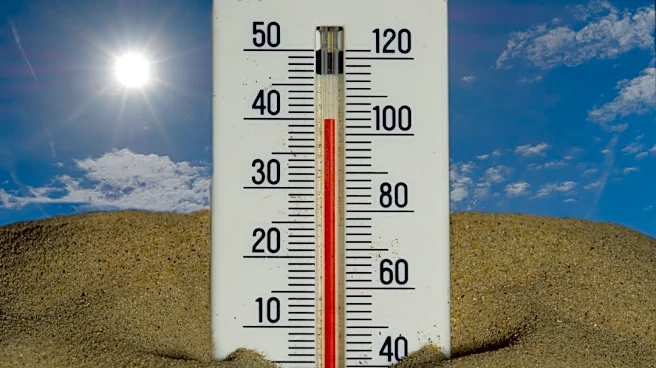
Students returning to Michigan State University (MSU) have encountered hot conditions in their dormitories. Despite moving back to campus a couple of weeks ago during what was described as nearly perfect weather for late August, the university has acknowledged
the issue of elevated temperatures within student residences. In response, MSU has issued guidance to students, advising them to utilize multiple fans within their rooms to improve airflow and to take advantage of air-conditioned common spaces available across the campus. This situation highlights a common challenge faced by universities, particularly in older buildings or during unexpected heat spells, where dormitory cooling systems may not be adequate for current climate conditions.
Why It's Important?
The issue of hot dorm conditions at Michigan State University is important as it directly impacts student welfare, academic performance, and overall campus living experience. Uncomfortable living environments can lead to decreased concentration, sleep disturbances, and potential health concerns, especially for students unaccustomed to such heat. For MSU, addressing these conditions is crucial for maintaining student satisfaction and retention. Universities often face scrutiny regarding the quality of on-campus housing, and prolonged issues with living conditions can affect the institution's reputation and attractiveness to prospective students. Furthermore, it underscores the broader challenge many older educational institutions face in upgrading infrastructure to meet modern comfort and environmental standards, particularly in the context of changing climate patterns that can bring unexpected heat waves.
What's Next?
Michigan State University will likely continue to monitor the dormitory temperatures and the effectiveness of its current recommendations. Students are expected to follow the university's advice by using fans and seeking out air-conditioned common areas. The university may need to consider more long-term solutions if the problem persists or recurs in future academic years, which could include investments in improved cooling systems for dormitories. This situation could also prompt discussions among university administrators and student housing departments about proactive measures for climate control in student residences, especially as weather patterns become more unpredictable. Student feedback on the current measures and overall living conditions will be crucial in determining future actions.
Beyond the Headlines
This situation at Michigan State University points to a larger trend of infrastructure challenges in educational institutions across the U.S., particularly concerning climate control in older buildings. As climate change leads to more frequent and intense heat waves, universities are increasingly confronted with the need to adapt their facilities to ensure student comfort and safety. The reliance on temporary solutions like fans and common spaces, while practical in the short term, highlights a potential gap in long-term planning for sustainable and comfortable living environments. This could also spark broader conversations about energy efficiency, the environmental impact of cooling systems, and the financial investments required to modernize campus infrastructure to meet evolving environmental and student needs. The well-being of students in their living spaces is fundamental to their academic success and overall university experience.