

What's Happening?
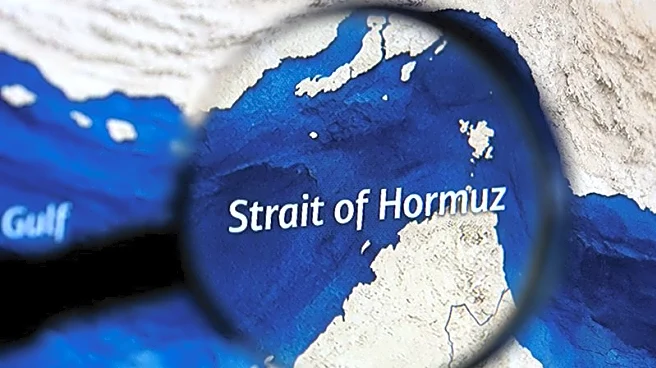
The ongoing conflict involving Iran is causing short-term economic disruptions for China, primarily due to its reliance on imported oil and the strategic importance of the Strait of Hormuz. However, analysts suggest that this situation may also present
long-term economic benefits for China. The country has been investing heavily in electrification and renewable energy, which could mitigate the impact of rising oil prices. China's CSI Green Electricity Index has seen a significant rise, indicating increased demand for renewables. Additionally, China's dominance in critical minerals and rare earths could provide strategic leverage. The conflict is also challenging the dominance of the US dollar in global energy markets, with potential shifts towards the Chinese yuan for oil transactions.
Why It's Important?
The Iran war's impact on global oil markets could accelerate China's transition to renewable energy, reinforcing its position in clean energy supply chains. This shift could reduce China's vulnerability to oil price fluctuations and enhance its economic resilience. Moreover, the potential erosion of the petrodollar could have significant implications for global trade and financial systems, potentially increasing the influence of the Chinese yuan. This development could alter the balance of economic power, challenging the traditional dominance of the US dollar and reshaping international economic relations.
What's Next?
As the conflict continues, China may further strengthen its renewable energy initiatives and strategic mineral reserves to bolster its economic position. The potential shift in global currency dynamics could lead to increased geopolitical tensions, particularly between the US and China. Observers will be watching for any formal moves by countries to adopt the yuan for energy transactions, which could signal a significant shift in global economic alignments.