






What's Happening?
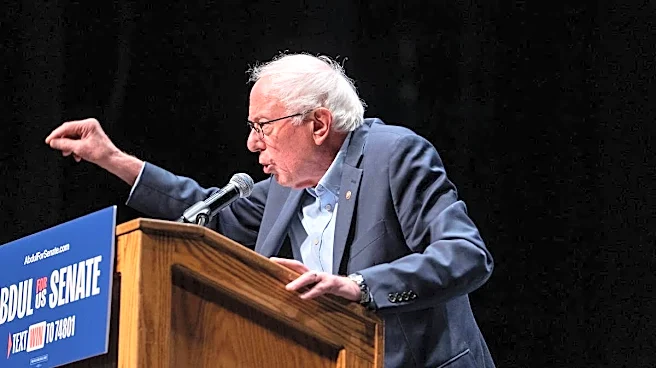
Senator Bernie Sanders has introduced the Social Security Expansion Act, a proposal aimed at increasing Social Security benefits for seniors by up to $2,400 per year, or approximately $200 per month. This increase would not be a flat addition to every
check but would instead modify the benefit formula, raising the replacement rate for average earnings from 90% to 95% and applying it to a larger portion of income. The proposal also includes a new minimum benefit for workers with 30 or more qualifying years, set at 125% of the federal poverty guideline, which would be around $1,663 per month in 2026. To fund these increases, the act proposes subjecting wages above $250,000 to Social Security payroll tax and raising the Net Investment Income Tax from 3.8% to 16.2% for affected taxpayers, while also expanding the income it covers. The bill is currently awaiting consideration in the Senate Finance Committee.
Why It's Important?
If enacted, the Social Security Expansion Act could significantly improve the financial well-being of millions of retirees, particularly those with lower and middle incomes, by providing a substantial boost to their monthly benefits. The proposed changes to the benefit formula and the introduction of a new minimum benefit aim to ensure that Social Security provides a more robust safety net. However, the funding mechanisms, which involve increased taxes on high earners and investment income, would represent a notable shift in tax policy. This could spark debate about wealth redistribution and the economic impact on different income brackets. The proposal also seeks to adjust how annual Cost of Living Adjustments (COLAs) are calculated, potentially better aligning benefits with the actual expenses of older Americans over time.
What's Next?
The Social Security Expansion Act is currently in the Senate Finance Committee, and its future remains uncertain. While Senator Sanders has highlighted an earlier analysis suggesting a similar bill could fully fund Social Security for 75 years, an updated analysis for the current version is pending. The proposal faces the challenge of gaining bipartisan support, as a previous attempt to pass it by unanimous consent was blocked. Stakeholders, including retirees, workers, and financial planners, will be closely watching the legislative process. The outcome will depend on congressional negotiations and the political will to address Social Security's long-term solvency while also enhancing benefits for beneficiaries.
Beyond the Headlines
Senator Sanders' proposal reignites the broader national conversation about the future of Social Security and the role of government in ensuring retirement security. It highlights the ongoing tension between maintaining the program's solvency and enhancing benefits to meet the rising cost of living for retirees. The proposed tax increases on high earners and investment income reflect a philosophical approach to funding social programs that emphasizes progressive taxation. This could set a precedent for future discussions on how to fund essential government services and address income inequality. The debate also touches upon the adequacy of current Social Security benefits and whether they truly provide a dignified retirement for all Americans, especially in an era of increasing longevity and healthcare costs.