




What's Happening?
PEN America has reported an unprecedented 11,982 book bans in U.S. public schools during the 2025-2026 school year, marking the highest number since the organization began tracking such incidents. This figure was highlighted by County Superintendent of
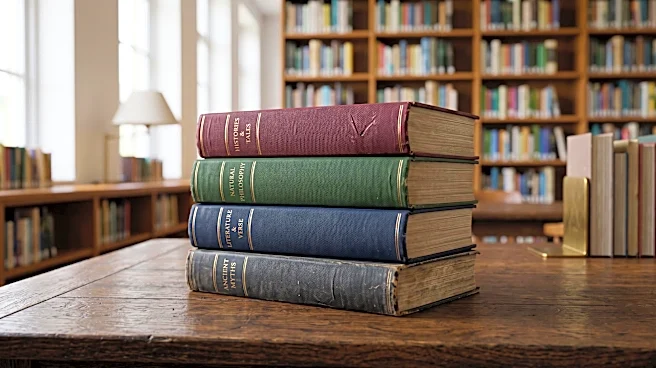
Schools Dr. Farris Sabbah during a benefit screening of the 2025 documentary 'The Librarians' in Santa Cruz, California. The event, organized by high school seniors Laird Bowser, Alec Thomsen, and Devin Protti, raised over $5,000 to purchase banned and challenged books for local school libraries. The documentary itself details the origins of the book-banning wave, tracing it back to former Texas State Representative Matt Krause and Governor Greg Abbott's 2021 list of 850 books targeted for removal, which subsequently fueled efforts by groups like Moms for Liberty. The film also draws parallels to historical instances of censorship, including Ray Bradbury's 'Fahrenheit 451' and McCarthyism.
Why It's Important?
The significant increase in book bans, as reported by PEN America, indicates a growing trend of censorship in U.S. public education, directly impacting students' access to diverse perspectives and information. This surge in bans is often driven by ideological arguments, which Dr. Sabbah countered by stating that 'inclusion and representation are not political. Exclusion and erasure are.' The removal of books from school libraries can limit students' ability to see themselves reflected in literature, understand different cultures, and develop critical thinking skills. Librarians, who are often at the forefront of these challenges, face threats and job losses for defending intellectual freedom. The efforts by students in Santa Cruz to counter these bans by fundraising for challenged books underscore a community-level resistance to censorship and highlight the perceived importance of maintaining diverse library collections for educational and democratic purposes.
What's Next?
The ongoing debate surrounding book bans is likely to continue, with further actions expected from both proponents and opponents of such restrictions. Advocacy groups like PEN America will likely continue to monitor and report on book challenges, providing data that informs public discourse and policy debates. Local communities may see more initiatives similar to the Santa Cruz fundraiser, where students and community members actively work to preserve access to challenged books. School boards and state legislatures will likely remain battlegrounds for policies related to library collections and curriculum content. The documentary 'The Librarians' may also continue to be screened, raising awareness and galvanizing support for librarians and intellectual freedom. The distribution of over 500 purchased books to district schools in Santa Cruz represents a direct counter-measure to the bans, aiming to ensure students still have access to these materials.
Beyond the Headlines
The escalating number of book bans reflects deeper societal tensions regarding cultural values, parental rights, and educational autonomy. Beyond the immediate impact on library collections, these bans can foster an environment of self-censorship among educators and authors, potentially stifling the creation and dissemination of diverse literary works. The targeting of books often dealing with themes of race, LGBTQ+ identities, and historical injustices raises concerns about the erasure of marginalized voices and the promotion of a singular, often conservative, worldview within public education. This trend also challenges the fundamental role of libraries as institutions dedicated to providing open access to information and fostering intellectual curiosity. The comparison to historical censorship, such as McCarthyism and Nazi book burnings, underscores the perceived threat to democratic values and free expression that many see in the current wave of book bans.