




What's Happening?
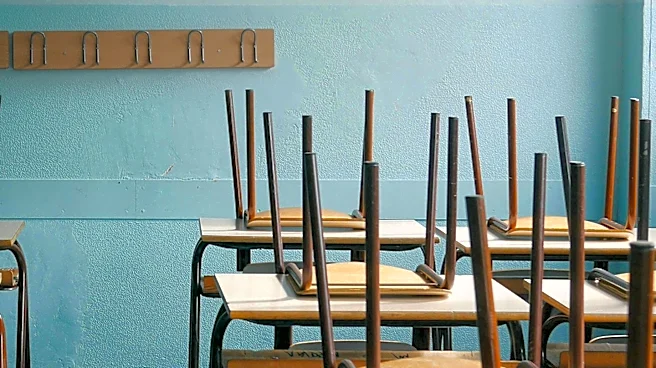
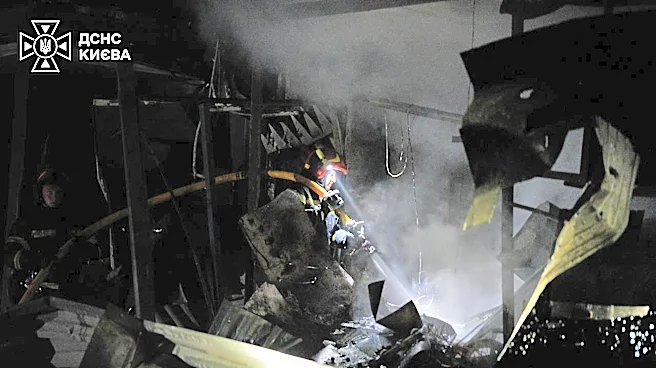
A school in Lukashi village, Kyiv oblast, Ukraine, has reopened for the new academic year after undergoing significant reconstruction following damage from a Russian attack in March 2022. The European Investment Bank (EIB) provided €690,000 towards the €1.07
million reconstruction cost, with the remaining €385,000 covered by the local budget. This funding is part of the EIB's €340 million Ukraine Recovery Programme, which aims to restore essential social infrastructure across Ukrainian communities. The renovation transformed the war-damaged building into a modern, accessible, and energy-efficient educational facility. Improvements include structural repairs, a new roof, insulated facades, energy-efficient windows and doors, and upgrades to heating, ventilation, water, sewage, electrical, and lighting systems. The school now also features a protective shelter, enhanced accessibility for individuals with disabilities, and updated fire and security systems. The Lukashi Lyceum, the sole school in the community, will serve 119 students, including those with special educational needs and children from internally displaced families, and provide working space for 25 staff members. EIB Vice-President Karl Nehammer emphasized the importance of providing a safe learning environment for Ukrainian children despite the war.
Why It's Important?
The reconstruction of the Lukashi Lyceum is a critical step in mitigating the long-term educational and social impacts of the ongoing conflict in Ukraine. By restoring essential infrastructure like schools, the EIB's initiative directly addresses the immediate needs of war-affected communities, enabling children to resume their education in a safe and conducive environment. This effort helps prevent learning losses and provides a sense of normalcy and stability for students and their families. The investment in modern, accessible, and energy-efficient facilities also contributes to the broader goal of building more resilient and sustainable communities in Ukraine. Furthermore, the project demonstrates international solidarity and commitment to Ukraine's recovery, fostering hope and confidence among its citizens. The focus on accessibility and protective shelters highlights a forward-thinking approach to reconstruction, ensuring that new infrastructure is built to withstand future challenges and serve all members of the community. This initiative is vital for the social fabric of Ukraine, as education is a cornerstone for future development and stability.
What's Next?
The EIB, through its Ukraine Recovery Programme, plans to continue supporting the restoration of essential social infrastructure across Ukraine. In Kyiv Oblast alone, the EIB is backing the restoration of 72 facilities, encompassing schools, preschools, healthcare centers, and municipal infrastructure. This ongoing effort is part of three joint EU-EIB recovery initiatives, implemented in collaboration with the Ministry for Recovery, Infrastructure and Transport of Ukraine, the Ministry of Finance, and local authorities, with technical support from the United Nations Development Programme (UNDP). The EIB has already provided €740 million through these programs to support Ukraine's recovery as of August 2026. These funds are directed towards restoring critical services such as housing, heating, and water systems. The Ministry for Recovery, Infrastructure and Transport, in coordination with the Ministry of Finance, will continue to oversee program implementation, while local authorities will manage specific recovery sub-projects. The UNDP will provide technical assistance to local communities, ensuring transparent and accountable project execution. The long-term goal is to systematically restore and develop modern infrastructure, ensuring that every student can learn in a safe and comfortable environment.
Beyond the Headlines
The reopening of the Lukashi Lyceum symbolizes more than just the reconstruction of a building; it represents a profound commitment to the future of Ukraine's children and the resilience of its communities. The EIB's involvement underscores the broader international effort to support Ukraine's recovery, moving beyond immediate humanitarian aid to long-term development and stability. This project highlights the critical role of education in post-conflict recovery, serving as a foundation for social cohesion and economic revitalization. The integration of modern, energy-efficient, and accessible design elements in the reconstruction reflects a forward-looking approach, aiming to build back better and create infrastructure that is not only functional but also sustainable and inclusive. The collaboration between international financial institutions, national governments, and local authorities sets a precedent for coordinated recovery efforts in conflict zones. This initiative also implicitly addresses the psychological impact of war on children, providing them with a stable environment that fosters learning and growth, thereby contributing to their overall well-being and future prospects. The emphasis on local ownership and community involvement in the reconstruction process further strengthens the sense of agency and hope within affected regions.