

What's Happening?
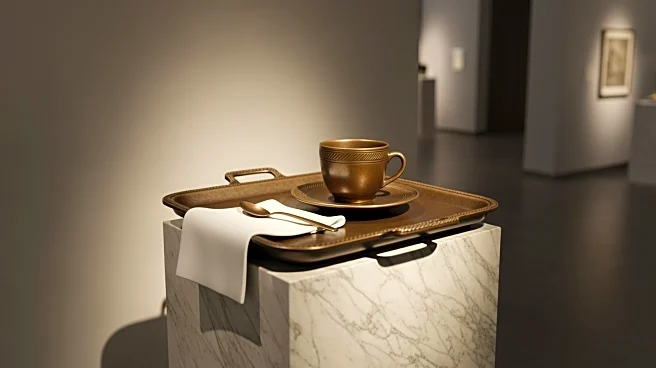
Eti Abrahami, during a seniors' tour of the Knesset Museum in Jerusalem's historic Frumin House, discovered a statue of her late sister, Berta Winter. Winter was a legendary figure in the Knesset, having worked as a cafeteria waitress in the 1950s. She
immigrated from Iraq and began her career in the Knesset cafeteria in 1952, eventually becoming the chief steward. The museum, which opened several months ago, has attracted over 40,000 visitors and recreates the early days of Israel's parliament. It includes an immersive experience with historical figures and significant events. Abrahami was deeply moved by the unexpected tribute to her sister, who had shared many memories of her time in the Knesset before her death a decade ago.
Why It's Important?
The unveiling of Berta Winter's statue at the Knesset Museum highlights the often-overlooked contributions of individuals who played crucial roles behind the scenes in shaping historical institutions. Winter's story underscores the importance of recognizing the diverse backgrounds and personal sacrifices of those who have contributed to national history. This event also reflects a broader cultural appreciation for the personal stories that form the fabric of a nation's history, beyond the well-documented political and legislative milestones. The museum's approach to history, combining traditional exhibits with interactive experiences, may influence how historical narratives are presented in educational and cultural institutions worldwide.
What's Next?
The Knesset Museum is likely to continue drawing visitors with its unique blend of historical recreation and interactive experiences. As more people visit, there may be increased interest in similar initiatives that honor unsung heroes in other national institutions. The museum's success could inspire other countries to adopt similar models, blending technology with history to engage the public. Additionally, the emotional impact of such personal stories may encourage further exploration and documentation of individual contributions to national history, potentially leading to new exhibits or educational programs.
Beyond the Headlines
The story of Berta Winter and her recognition at the Knesset Museum raises questions about how history is recorded and remembered. It challenges the traditional focus on political leaders and major events, suggesting a more inclusive approach that values the contributions of everyday individuals. This could lead to a shift in how historical narratives are constructed, emphasizing the interconnectedness of personal and national histories. Furthermore, the use of technology in the museum's exhibits points to a growing trend in how cultural institutions engage with audiences, potentially setting a precedent for future museum experiences.