







What's Happening?
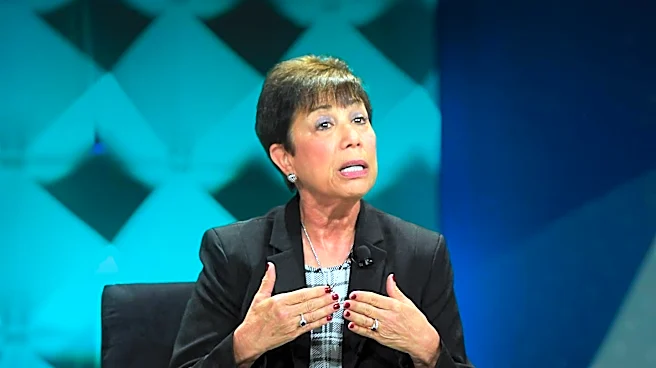
Computer science classes are increasingly being used as a platform to teach social-emotional skills, according to Nadia Taylor, a computer science implementation specialist in New York City schools. At the ISTELive 26 + ASCD annual conference, Taylor highlighted
how the iterative nature of programming—where students often encounter and must resolve errors—provides opportunities for students to manage emotions like frustration and embarrassment. This process helps build resilience and emotional intelligence. Teachers are incorporating tools like digital mood meters to track students' emotional states and using strategies such as 'rubber ducky debugging' to encourage problem-solving and independence. These methods aim to integrate social-emotional learning into STEM education, providing students with strategies to manage their emotions productively.
Why It's Important?
Integrating social-emotional learning into computer science education is significant as it addresses the emotional challenges students face in a tech-driven learning environment. By equipping students with emotional management skills, educators aim to enhance students' resilience and problem-solving abilities, which are crucial in both academic and real-world settings. This approach not only supports students' mental well-being but also prepares them for the emotional demands of future careers in technology and other fields. The initiative reflects a broader educational trend towards holistic student development, recognizing that emotional intelligence is as vital as technical skills in today's world.
What's Next?
As educators continue to explore the integration of social-emotional learning in STEM subjects, there may be increased adoption of similar strategies across various educational disciplines. Schools might implement more structured programs to train teachers in these methods, potentially leading to curriculum changes that emphasize emotional intelligence alongside academic achievement. Stakeholders, including educational policymakers and school administrators, may evaluate the effectiveness of these programs, influencing future educational standards and practices. The success of these initiatives could also prompt further research into the benefits of social-emotional learning in other areas of education.