

What's Happening?
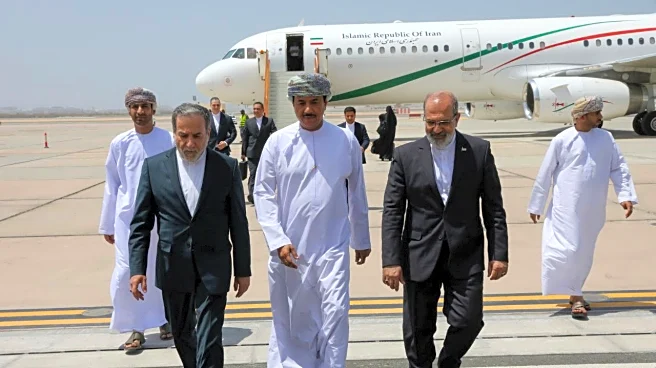
The United States and Iran are scheduled to hold nuclear talks in Oman on Friday, as confirmed by Iranian Foreign Minister Abbas Araghchi. The talks, initially planned for Turkey, were moved to Oman at Iran's request to focus solely on the nuclear issue.
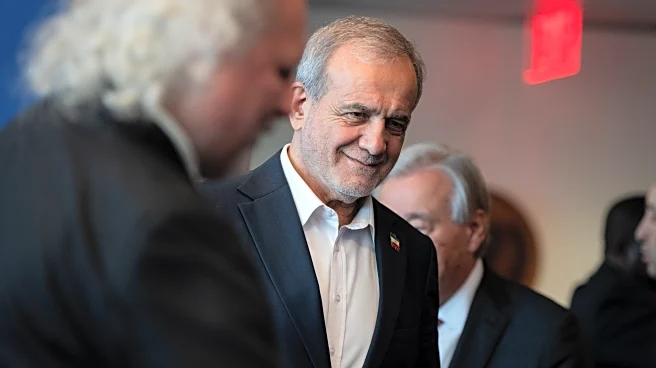
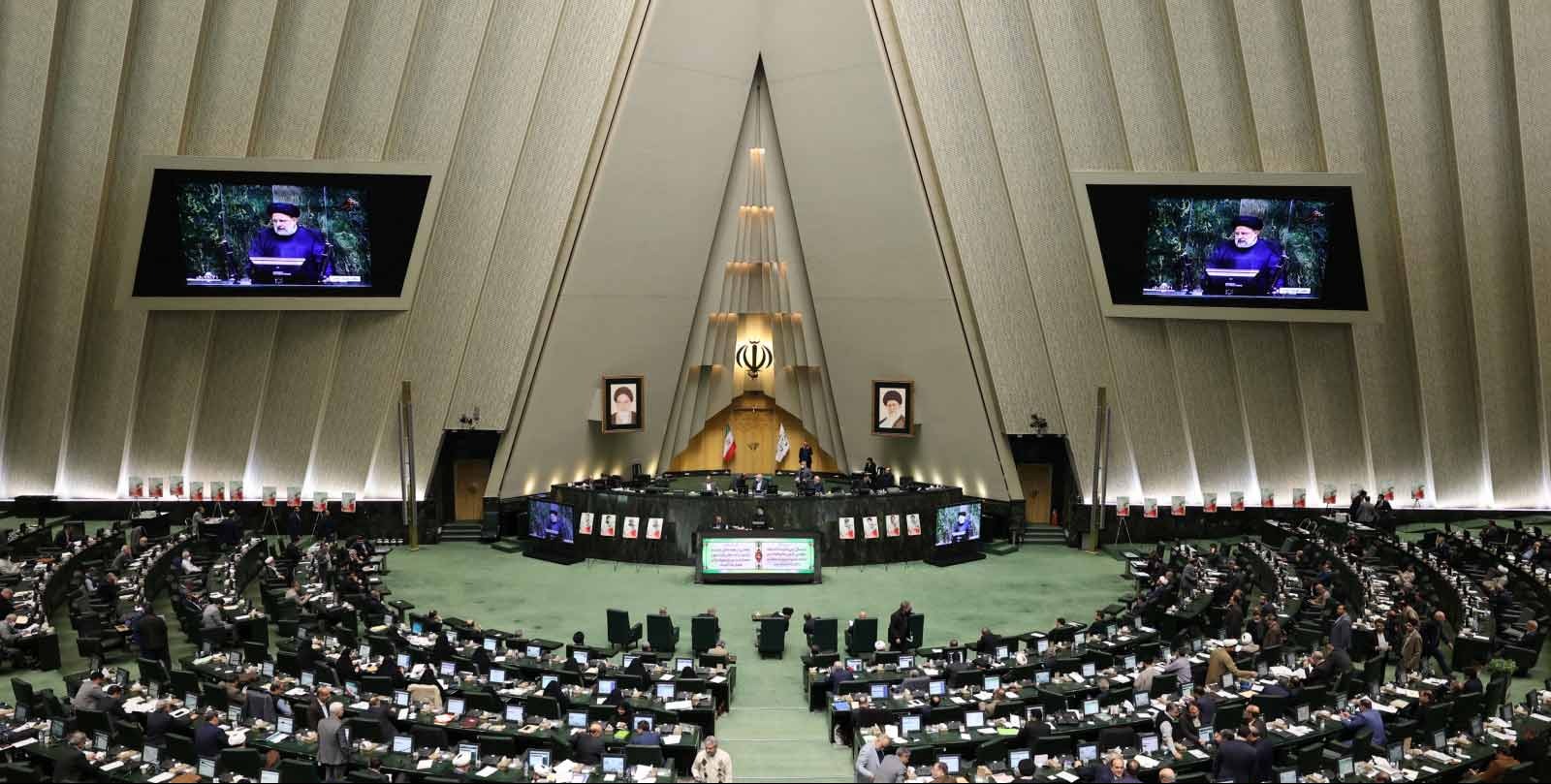
The Trump administration remains skeptical about the talks' success but agreed to the change out of respect for regional allies. Tensions between the two countries have been high, with recent military incidents involving Iranian forces and U.S. assets. Iran's reformist President Masoud Pezeshkian has signaled a willingness to negotiate, supported by Supreme Leader Ayatollah Ali Khamenei.
Why It's Important?
These talks are crucial as they could potentially ease tensions between the U.S. and Iran, which have been exacerbated by military confrontations and Iran's nuclear activities. A successful negotiation could lead to a reduction in regional hostilities and impact global oil prices. However, the exclusion of discussions on Iran's missile program and regional influence may limit the talks' scope and effectiveness. The outcome could influence U.S. foreign policy and its relations with Middle Eastern allies, who are concerned about Iran's regional activities.
What's Next?
The talks are expected to focus initially on the nuclear issue, with the possibility of addressing other matters in future discussions. The U.S. and Iran may engage in several rounds of negotiations, potentially lasting weeks or months. The success of these talks could influence future U.S. military and diplomatic strategies in the region. Key stakeholders, including regional allies and international organizations, will closely monitor the talks' progress and outcomes.