


What's Happening?
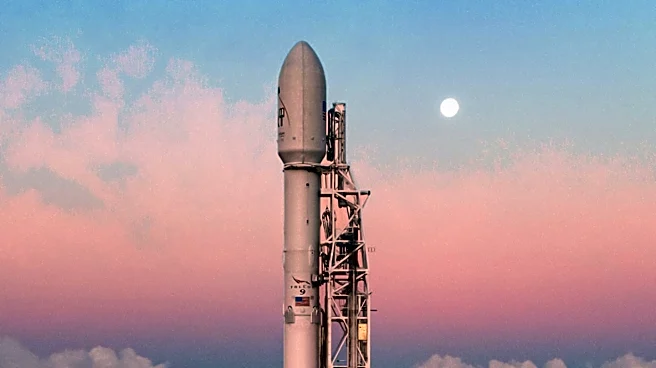
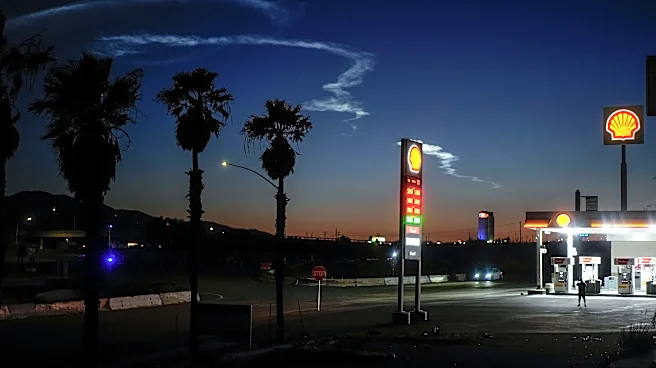
Avi Loeb, a theoretical physicist and astrophysicist, discusses the impact of Elon Musk's space ventures, particularly SpaceX's Starlink, on astronomy. The deployment of thousands of satellites in low-Earth orbit is causing concerns about light pollution,
which could hinder astronomical observations. Loeb emphasizes the risk of 'false negatives' in the search for extraterrestrial life, where potential signs are overlooked due to a risk-averse mindset. He argues that light pollution from satellites could obscure the detection of technological signatures from other civilizations.
Why It's Important?
The proliferation of satellites poses a significant challenge to the field of astronomy, potentially obstructing the view of the night sky and complicating efforts to study celestial phenomena. This issue highlights the need for balancing technological advancements with the preservation of natural environments. The discussion also underscores the importance of open-mindedness in scientific inquiry, particularly in the search for extraterrestrial life. Addressing these challenges requires collaboration between space entrepreneurs, scientists, and policymakers to ensure sustainable space exploration.
What's Next?
As satellite deployments continue, there may be increased calls for regulatory measures to mitigate light pollution and protect astronomical research. This could involve international agreements on satellite design and operation to minimize their impact on the night sky. The scientific community may also explore alternative observation sites, such as the Moon or Mars, to circumvent light pollution. Ongoing dialogue between stakeholders will be crucial in finding solutions that accommodate both technological progress and scientific discovery.