





What's Happening?
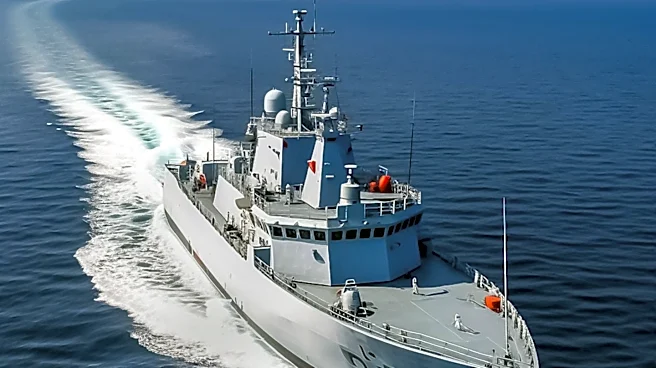
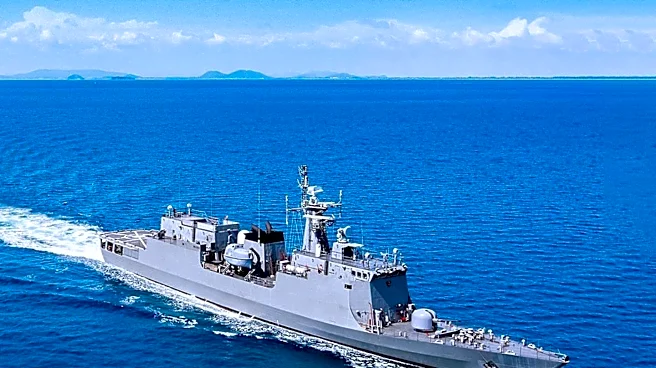
The United States, Australia, and India have been working to enhance military cooperation in the Indian Ocean through various bilateral defense agreements such as the Logistics Exchange Memorandum of Agreement and the Military Logistics Support Agreement.
Despite these agreements, effective military cooperation remains challenging due to institutional frictions and untested communication arrangements. A recent matrix game involving former military officials highlighted issues such as insufficiently delegated authorities and the lack of routine operational interaction, particularly with non-allied India. The game underscored the need for stronger enabling foundations for military cooperation, including delegated authorities, crisis communications, and routine operational interaction.
Why It's Important?
The Indian Ocean is a critical region for international shipping lanes and is increasingly influenced by China's growing presence. Effective military cooperation among the U.S., Australia, and India is essential for maintaining maritime security and addressing regional challenges. The current limitations in cooperation could impede timely coalition operations during crises, affecting the strategic balance in the region. Strengthening military ties and operational readiness among these nations is crucial for countering potential threats and ensuring stability in the Indian Ocean.
What's Next?
To improve military cooperation, the U.S., Australia, and India need to focus on delegating operational authorities, establishing secure communication pathways, and institutionalizing routine operational interactions. Regular exercises and stress-testing of coalition procedures are necessary to build familiarity and troubleshoot implementation problems. These steps will help translate existing agreements into effective crisis cooperation, enabling the partners to act swiftly and cohesively in the event of a crisis.