



What's Happening?
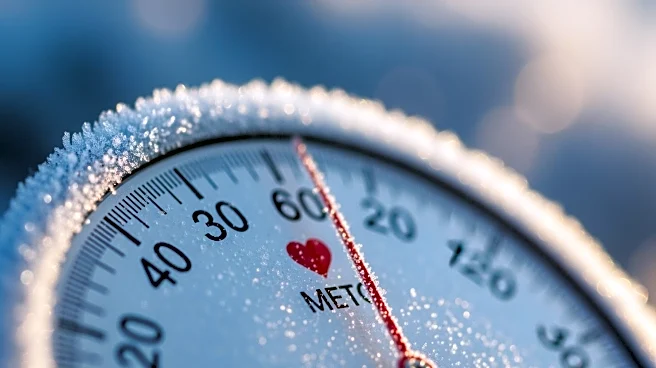
The holiday season, particularly the last week of December, is identified as the deadliest time of year for heart attacks. This period sees a spike in cardiac events due to a combination of factors including cold weather and lifestyle changes. During
the holidays, many people indulge in rich foods, neglect exercise, and experience increased stress, all of which contribute to heart health risks. Cold weather further exacerbates the situation by causing blood vessels to constrict, increasing blood pressure and the heart's workload. This is particularly dangerous for individuals with coronary heart disease, as it can lead to blocked arteries and heart attacks.
Why It's Important?
Heart attacks are the leading cause of death for American women, and the holiday season presents a unique set of challenges that can increase the risk of cardiac events. The combination of stress, dietary indulgence, and cold weather creates a 'perfect storm' for heart health issues. Understanding these risks is crucial for public health awareness and prevention strategies. Individuals, especially those with pre-existing heart conditions, need to be vigilant about maintaining heart-healthy habits during this time. The broader impact includes potential increases in healthcare costs and strain on medical facilities due to the rise in heart-related emergencies.
What's Next?
To mitigate these risks, individuals are advised to maintain heart-healthy habits such as regular exercise, a balanced diet, and stress management. Public health campaigns may focus on raising awareness about the signs of heart attacks, particularly in women, and the importance of seeking immediate medical help. Additionally, communities could implement support systems for those at risk, including access to medical advice and emergency services. The healthcare system may also prepare for an increase in cardiac emergencies during the holiday season.