




What's Happening?
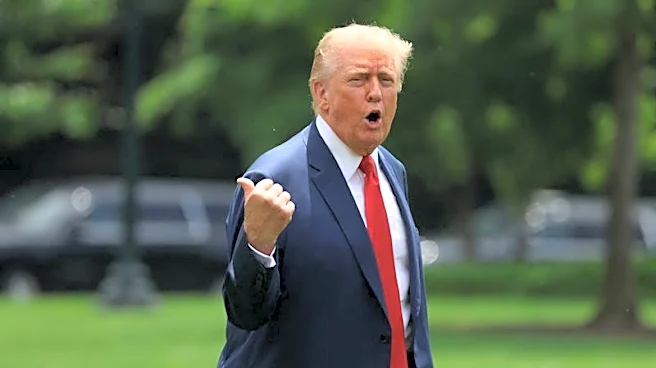
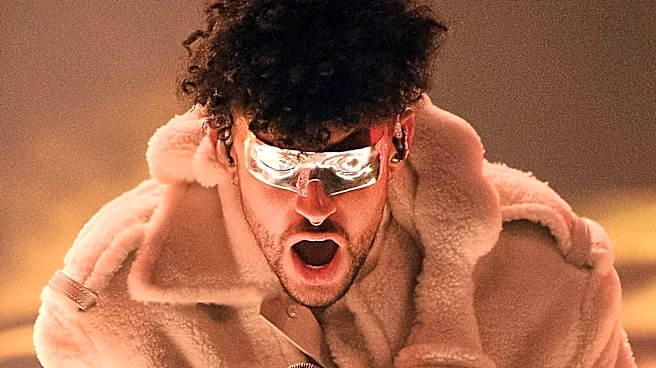
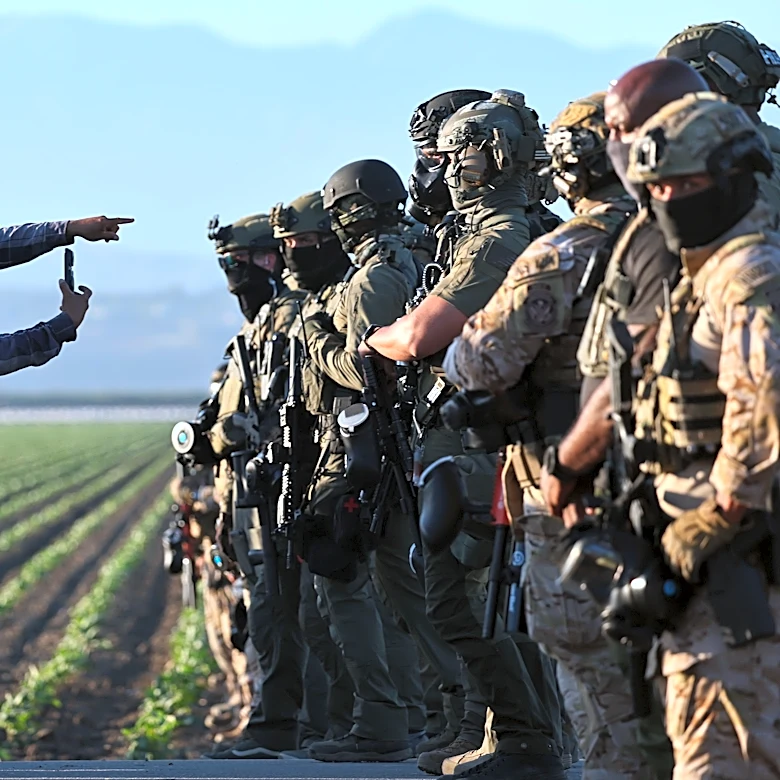
The White House has released a TikTok video using Bad Bunny's song 'La Mudanza' to promote President Trump's immigration policies. The video features clips of President Trump and scenes of migrants being detained by Immigration and Customs Enforcement
(ICE). The use of the song is seen as ironic, given Bad Bunny's vocal opposition to Trump's immigration policies and the song's political message. 'La Mudanza' is known for its references to Puerto Rico's pro-independence movement and its critique of U.S. policies. Bad Bunny has previously used his platform to support immigrants and criticize the Trump administration's approach to immigration.
Why It's Important?
The use of Bad Bunny's song in a government video highlights the ongoing tension between cultural figures and political institutions. It underscores the administration's controversial approach to immigration, which has been criticized for its harshness. The video may further polarize public opinion, as it contrasts the administration's policies with the artist's pro-immigrant stance. This incident also raises questions about the ethical use of music in political messaging, especially when the artist's views are misaligned with the message being promoted. The broader impact could influence public perception of the administration's immigration policies and its relationship with the Latino community.
What's Next?
The release of the video may prompt responses from Bad Bunny and other artists who oppose the use of their work in political contexts. It could also lead to increased scrutiny of the administration's media strategies and its engagement with cultural figures. Advocacy groups and political opponents may use this incident to rally support against the administration's immigration policies. The controversy might also influence future collaborations between artists and political campaigns, as artists become more cautious about how their work is used in political contexts.
Beyond the Headlines
This incident highlights the complex relationship between art and politics, where cultural expressions are often co-opted for political purposes. It raises ethical questions about consent and the representation of artists' work in political narratives. The use of 'La Mudanza' in this context may also spark discussions about the role of music in social movements and its power to influence public discourse. Additionally, it reflects the broader cultural and political dynamics between the U.S. and Puerto Rico, particularly in light of historical and ongoing debates about Puerto Rico's status and identity.