
What's Happening?
NASA's Earth Observer, a publication dedicated to chronicling the developments and achievements of the Earth Observing System (EOS), will cease operations at the end of 2025. The newsletter, which has
been a key source of information for the Earth science community since its inception in 1989, will no longer publish new content. However, its extensive archives will remain accessible online, preserving decades of historical data and insights. The Earth Observer has played a crucial role in connecting scientists and researchers worldwide, providing updates on satellite missions, scientific meetings, and technological advancements. The decision to end the publication marks the conclusion of a significant chapter in NASA's Earth science communications.
Why It's Important?
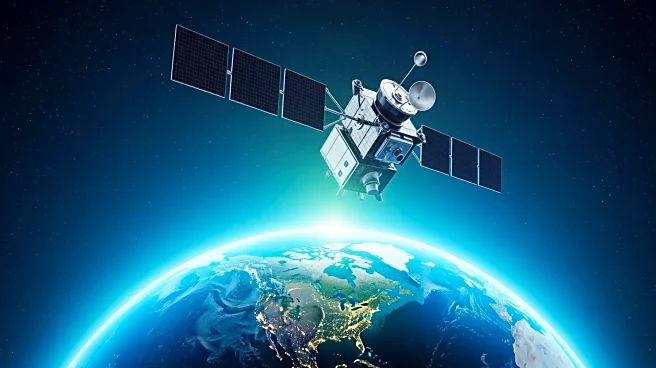
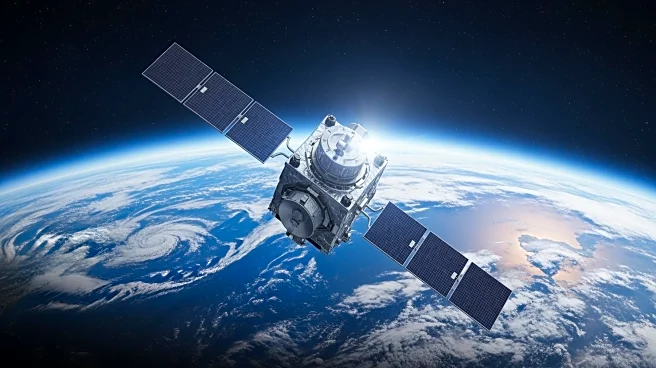
The cessation of The Earth Observer marks the end of an era for NASA's Earth science communications. For over 36 years, the publication has been instrumental in disseminating information about the Earth Observing System, which includes key satellite missions like Terra, Aqua, and Aura. These missions have provided critical data for understanding Earth's climate, weather patterns, and environmental changes. The newsletter's archives will continue to serve as a valuable resource for researchers and historians, offering insights into the evolution of Earth science and satellite technology. The end of The Earth Observer highlights the ongoing transition in how scientific information is shared and the increasing reliance on digital platforms for communication.
What's Next?
While The Earth Observer will no longer publish new content, its archives will remain available online, ensuring continued access to its wealth of historical information. NASA and its partners will likely continue to explore new ways to communicate Earth science developments, potentially leveraging digital media and other innovative platforms. The end of the publication may also prompt discussions within the scientific community about how best to preserve and share knowledge in the digital age. As NASA continues its Earth observation missions, the focus will likely shift towards integrating new technologies and methodologies to enhance data collection and dissemination.
Beyond the Headlines
The closure of The Earth Observer raises broader questions about the future of scientific communication and the preservation of historical data. As digital platforms become more prevalent, ensuring the longevity and accessibility of scientific archives becomes increasingly important. The transition also reflects broader trends in media consumption and the need for scientific organizations to adapt to changing communication landscapes. The preservation of The Earth Observer's archives offers a model for how historical scientific data can be maintained and utilized in the future, providing a foundation for ongoing research and education.