




What's Happening?
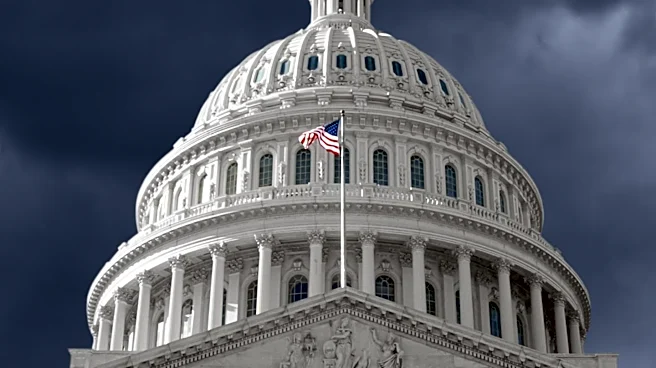
A growing coalition is advocating for Congress to classify wildfires as a national security challenge and to include the 'Fix Our Forest Act' in the Defense Authorization Bill. The coalition argues that wildfires significantly impact military readiness,
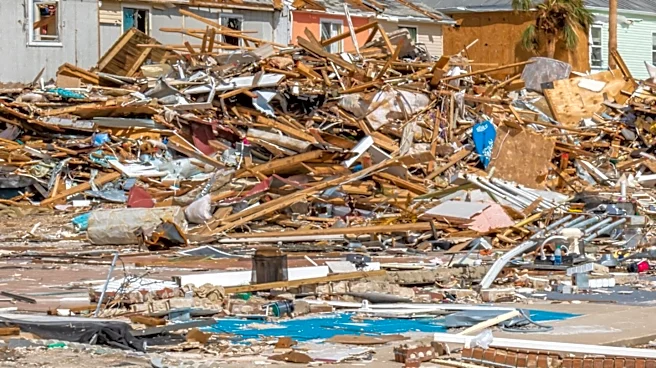
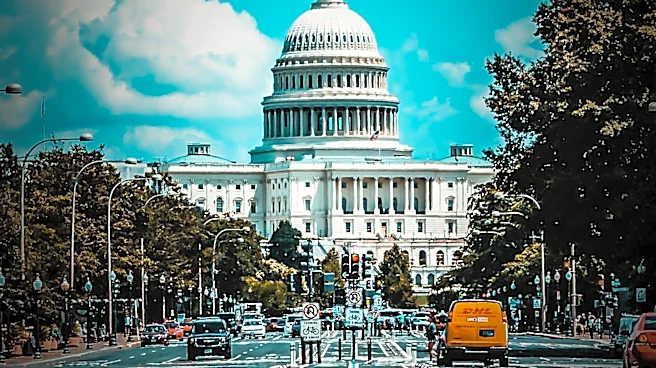
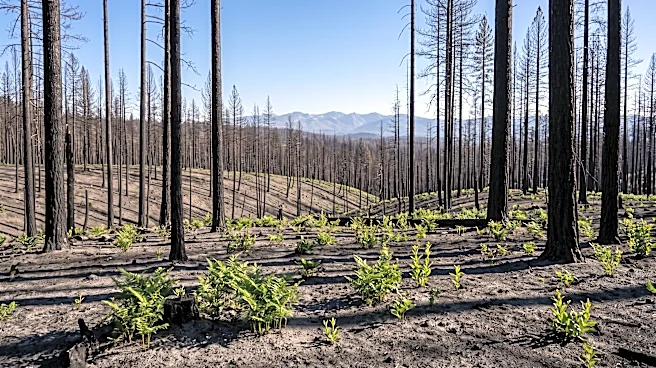
citing instances of wildfires on military bases and the frequent mobilization of National Guard and reservists for wildfire response. In 23 of the last 25 seasons, National Guard or reservists have been deployed to combat wildfires, and Air Force Reserve and National Guard units are also utilized through programs like the C-130 Modular Airborne Fire Fighting System (MAFFS). Tyson Bertone-Riggs, managing director for the Alliance for Wildfire Resilience, emphasizes that wildfires are an urgent crisis affecting the U.S., causing loss of life, property damage, and widespread smoke, even reaching areas like Washington D.C. from distant fires.
Why It's Important?
Elevating wildfires to a national security issue would fundamentally change how the U.S. approaches prevention, response, and recovery. It would likely lead to increased and more consistent federal funding, better inter-agency coordination, and a more robust national strategy, moving beyond treating wildfires solely as local land management problems. The current system, which often relies on scattered functions and budgets across multiple agencies, is deemed inefficient. Recognizing the impact on military readiness highlights a critical vulnerability, as frequent deployments divert resources and personnel from core defense responsibilities. This reclassification could also streamline planning and permitting for risk reduction, reduce litigation on federal projects, and foster the creation of a dedicated community risk reduction program, addressing a significant gap in current efforts.
What's Next?
If Congress adopts the coalition's recommendation, the 'Fix Our Forest Act' could be integrated into the Defense Authorization Bill, potentially leading to significant legislative changes. This could include the establishment of a wildfire intelligence center to unify data standards, mapping, modeling, and predictive services for federal, state, local, and tribal governments. The bill also contains provisions for mitigation, such as streamlining planning and permitting, reducing litigation, and expanding community risk reduction programs. Additionally, it addresses prescribed fire coverage, including insurance liability waivers, and focuses on post-fire recovery. A key aspect of future developments would be a redesign of the wildland fire workforce, moving towards a more professionalized, adequately compensated, and potentially year-round force, rather than the current temporary and seasonal model.
Beyond the Headlines
The proposal to frame wildfires as a national security challenge reflects a deeper understanding of their cascading effects on society, economy, and governance. Beyond immediate destruction, wildfires disrupt critical infrastructure, impact public health through prolonged smoke exposure, and strain national resources. This reclassification could foster a more integrated approach to environmental security, recognizing that climate-driven events pose threats comparable to traditional security concerns. It also highlights the need for a paradigm shift in workforce development for wildland firefighting, moving towards a model that ensures better pay, comprehensive healthcare, and year-round employment, drawing lessons from military structures. This could lead to a more resilient and effective national response system, but also raises questions about the militarization of environmental management and the balance between federal and local control.