
What's Happening?
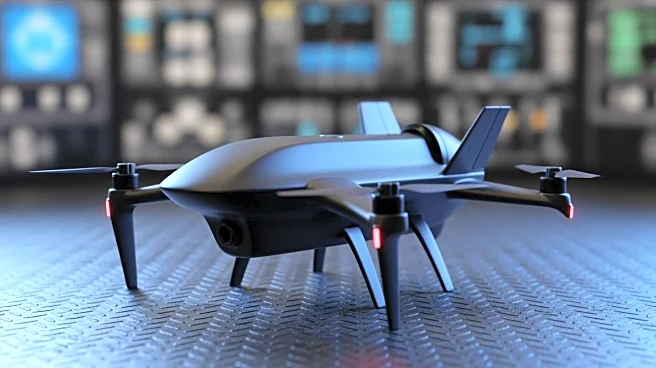
The use of robots in law enforcement is increasing, with applications in patrol, surveillance, and tactical operations. Despite their growing role, robots cannot fully replace human officers, who are still
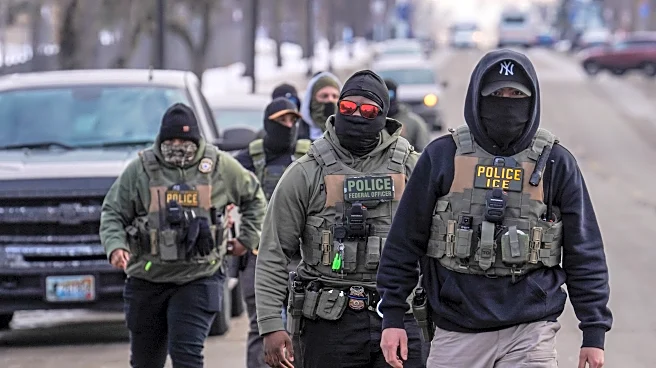
required for arrests, rescues, and critical decision-making. This transition from robotic to human intervention presents new challenges, particularly in terms of officer safety. Robots are used for tasks like bomb disposal and reconnaissance, but human officers must follow to secure scenes and make arrests. This has led to a demand for advanced protective gear that integrates with existing equipment to ensure officer safety in these hybrid operations.
Why It's Important?
The integration of robots in law enforcement operations is transforming how police departments handle dangerous situations. While robots can reduce some risks by performing initial assessments, they also create new challenges for human officers who must enter potentially hazardous environments. This shift necessitates advancements in protective gear and training to ensure officer safety. The growing reliance on robots in law enforcement could lead to changes in policing strategies and resource allocation, impacting public safety and the effectiveness of law enforcement agencies.
What's Next?
As the use of robots in law enforcement continues to grow, departments will need to invest in both robotic technology and enhanced protective equipment for officers. This dual investment is crucial to address the unique challenges posed by robot-assisted operations. Future developments may include more sophisticated robots with advanced capabilities, as well as improved training programs for officers to effectively transition from remote operation to physical intervention. Policymakers and law enforcement agencies will need to collaborate to establish guidelines and best practices for the safe and effective use of robots in policing.