








What's Happening?
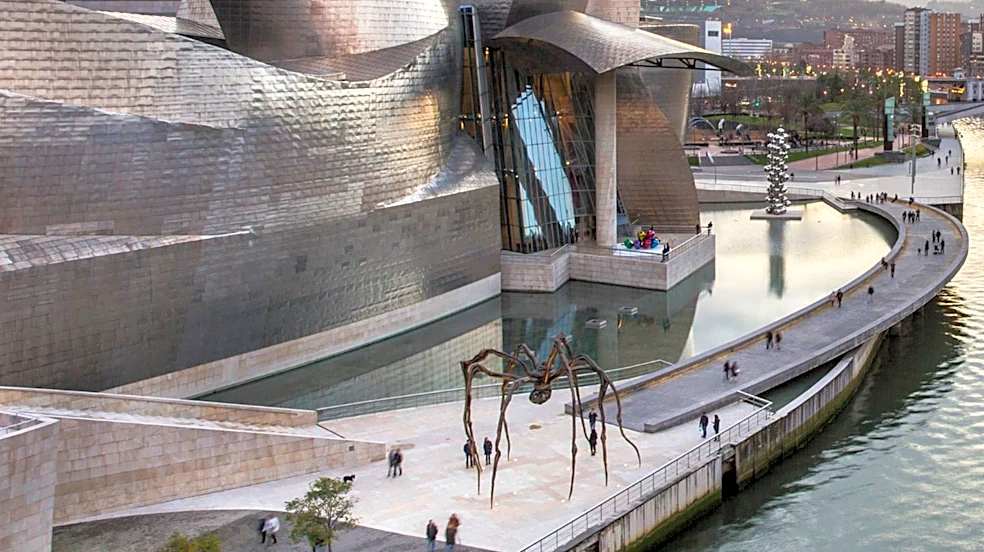
A historical dispute between Guggenheim Museum director James Johnson Sweeney and architect Frank Lloyd Wright has been highlighted in Wendy S. Walters' book, 'A Dead White: An Argument Against White Paint.' Wright strongly advised Sweeney against painting
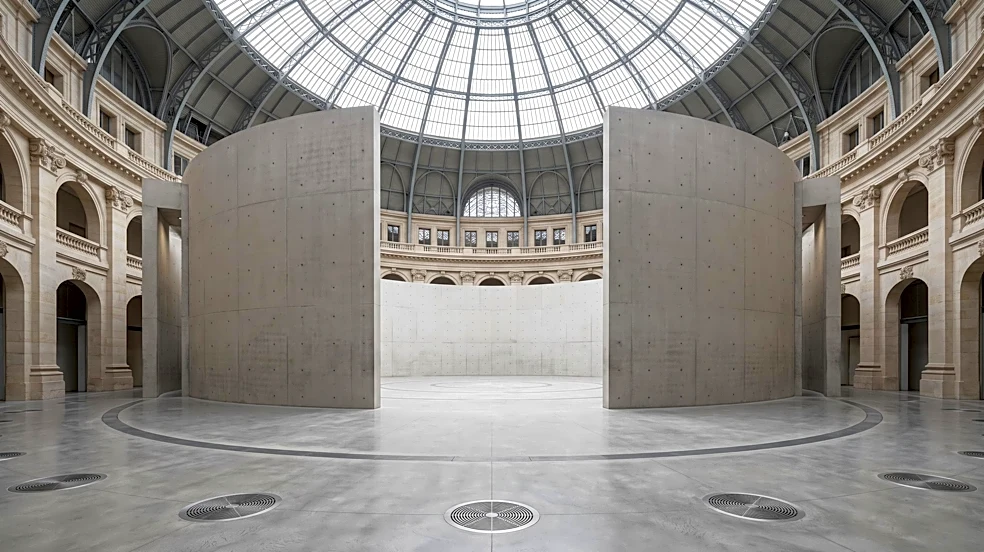
the interior walls of the Guggenheim white, arguing that it would be 'devastating' and turn the building into a 'shroud for art,' resembling a tomb. Wright advocated for an ivory color, which he believed had a warmer undertone. Despite Wright's objections, Sweeney proceeded to have the museum walls painted a 'dead white.' This disagreement is presented as a pivotal moment in Walters' broader inquiry into the ubiquity and implications of white paint in various contexts.
Why It's Important?
This historical disagreement between two prominent figures in art and architecture underscores the profound impact of aesthetic choices on the perception and experience of art. Frank Lloyd Wright's vision for the Guggenheim was meticulously crafted, and his concern about the 'dead white' paint reflects a deeper understanding of how color influences mood, light, and the presentation of artworks. James Johnson Sweeney's decision to override Wright's recommendation highlights a tension between an architect's original intent and a director's curatorial vision. This conflict has implications for how museums and public spaces are designed and maintained, affecting how art is viewed and how visitors interact with their surroundings. It also raises questions about authority in artistic and architectural projects and the lasting legacy of such decisions on cultural institutions.
What's Next?
While this specific dispute is historical, its re-examination in 'A Dead White' by Wendy S. Walters contributes to ongoing discussions about architectural preservation, curatorial practices, and the psychological effects of color in built environments. The book's exploration of white paint's broader cultural and historical significance may prompt renewed consideration of design choices in contemporary museum and gallery spaces. It could also influence future restoration projects at the Guggenheim or other institutions, encouraging a more nuanced approach to interior finishes. The debate between Wright and Sweeney serves as a case study for students and professionals in architecture, art history, and museum studies, illustrating the complexities inherent in creating and managing cultural landmarks.
Beyond the Headlines
The conflict between Wright and Sweeney extends beyond a simple color preference; it delves into fundamental philosophical differences about the relationship between architecture and art. Wright's view that white paint would create a 'tomb' for art suggests a belief in the building as an integral, living part of the artistic experience, rather than a neutral backdrop. Sweeney's choice, conversely, might reflect a desire for a minimalist, unobtrusive setting that allows the art to speak for itself, a common modernist aesthetic. This tension between an immersive architectural experience and a neutral display environment continues to be debated in contemporary design. Furthermore, Walters' broader inquiry into white paint's historical and cultural associations, including its use in torture and its connection to ideals of beauty, adds layers of ethical and social implications to what might otherwise seem like a purely aesthetic decision.