





What's Happening?
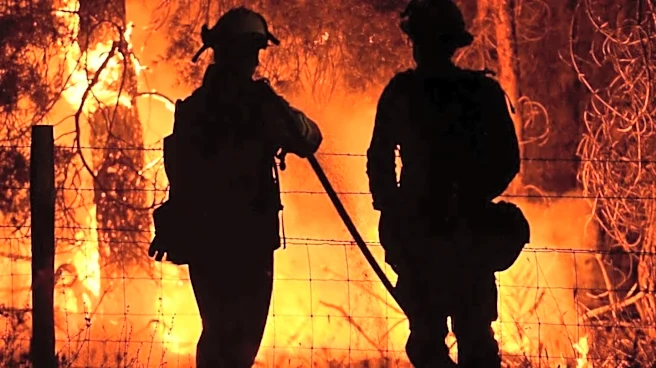
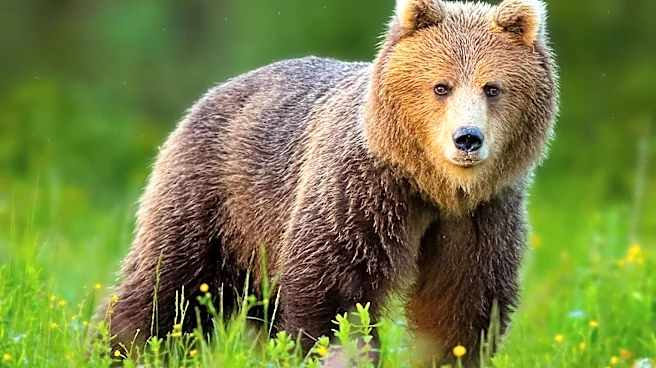
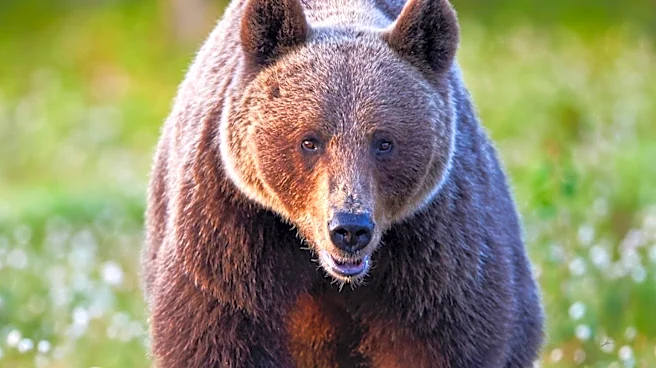
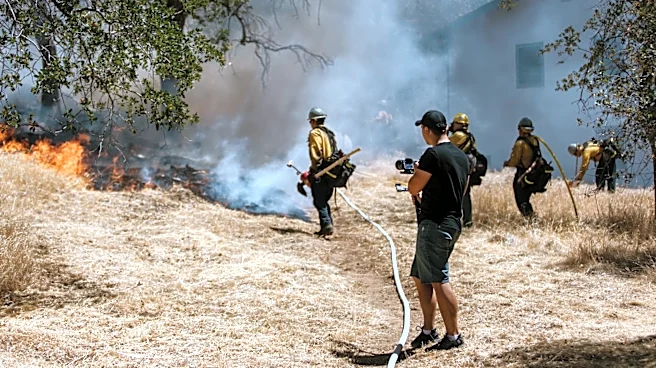
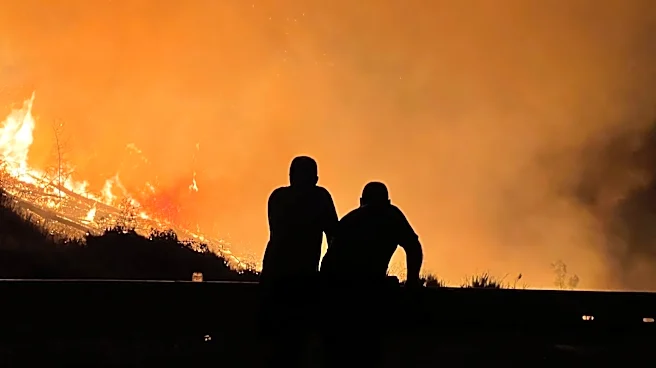
In Colorado, wildfires are causing significant disruptions to local wildlife, particularly bears, which are being displaced from their natural habitats. According to officials, these displaced bears are increasingly being spotted in residential areas,
such as a recent sighting in a Highlands Ranch neighborhood. The wildfires are forcing these animals to wander into neighborhoods in search of safety and food, as their usual habitats are being destroyed or rendered uninhabitable by the fires. This situation has prompted warnings from local authorities for residents to be vigilant and cautious, as the presence of bears in populated areas poses potential safety risks.
Why It's Important?
The displacement of wildlife due to wildfires highlights the broader environmental and societal impacts of such natural disasters. As bears and other animals enter human-populated areas, there is an increased risk of human-wildlife conflicts, which can lead to dangerous encounters and potential harm to both humans and animals. This situation underscores the need for effective wildlife management and emergency response strategies to mitigate the impact of wildfires on both ecosystems and communities. Additionally, it raises awareness about the importance of addressing the root causes of wildfires, such as climate change and land management practices, to prevent future occurrences and protect both human and wildlife populations.
What's Next?
Local authorities are likely to continue monitoring the situation closely, issuing further warnings and guidance to residents on how to safely coexist with displaced wildlife. Efforts may also be made to enhance community awareness and preparedness for wildlife encounters. In the long term, there may be increased advocacy for policies aimed at reducing wildfire risks and improving habitat conservation to prevent similar incidents in the future. Wildlife management agencies might also explore relocation or support strategies for affected animals to ensure their safety and reduce the likelihood of human-wildlife conflicts.