





What's Happening?
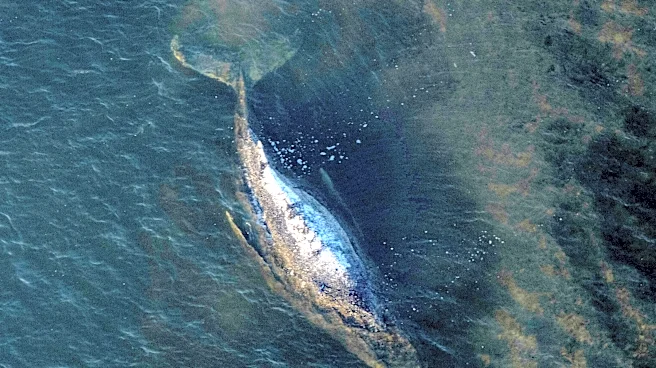
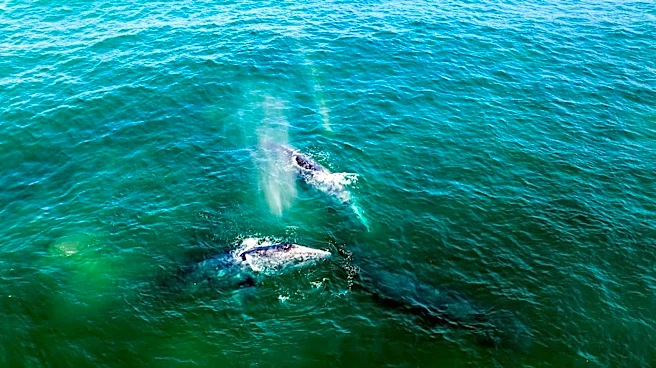
In Denmark, the carcass of a humpback whale, known as 'Timmy' or 'Hope', was brought ashore after being stranded in the Baltic Sea for several months. The whale's plight had captured public attention in Germany, where it was first spotted off the coast
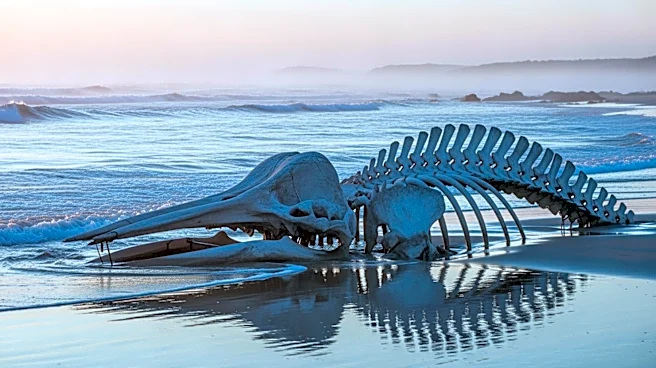
on March 3. Despite efforts to guide the whale back to its natural habitat in the Atlantic Ocean, it was found dead on May 14 near the island of Anholt. The Danish Environmental Protection Agency plans to examine the carcass to determine the cause of death. The whale's journey into the Baltic Sea, a region not suited to its natural habitat, remains a mystery, though experts speculate it may have followed a shoal of herring or become disoriented during migration.
Why It's Important?
The incident highlights the challenges faced by marine life due to environmental changes and human intervention. The whale's stranding and subsequent death underscore the difficulties in rescuing large marine mammals and the potential impacts of climate change on their migratory patterns. This event also raises awareness about the need for better strategies to protect marine wildlife and manage human activities that may disrupt their natural habitats. The examination of the whale's carcass could provide valuable insights into the health of marine ecosystems and the factors contributing to such strandings.
What's Next?
The Danish Environmental Protection Agency will conduct a thorough examination of the whale's carcass to ascertain the cause of death. The findings could inform future conservation efforts and strategies to prevent similar incidents. Additionally, the event may prompt discussions among environmental groups and policymakers about the protection of marine life and the impact of human activities on oceanic ecosystems. The results of the examination could also contribute to scientific research on the health and migration patterns of humpback whales.