

What's Happening?
Wakulla High School (WHS) teacher Nancy Floyd Richardson has integrated local veterans into her English 3 Honors classroom to provide students with firsthand accounts of military service and American citizenship. This initiative is part of a larger project
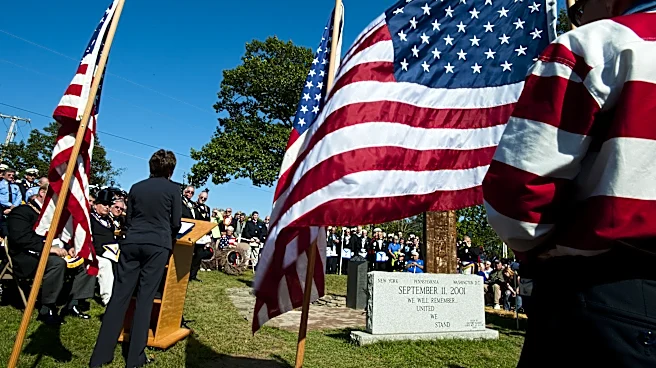
that includes research, interviews, creative writing, and public speaking, culminating in entries for the Veterans of Foreign Wars Voice of Democracy scholarship competition. The 2026-2027 theme, 'What a Veteran Taught Me About America,' prompted Richardson to bring veterans directly to students who might not have personal connections to military service. Veterans from various eras, including the Korean War, Vietnam War, Iraq, and Afghanistan, shared their experiences, discussing both the adventures and challenges of military life, such as separation from family, difficult decisions, and the loss of fellow service members. The program aims to help students understand the privileges and responsibilities of American citizenship as they approach voting age.
Why It's Important?
This educational program is important because it provides a unique and impactful way for young Americans to connect with the realities of military service and civic duty. By hearing directly from veterans, students gain a deeper understanding of the sacrifices made for their country, fostering a sense of appreciation and respect. This direct engagement can shape their perspectives on patriotism, community involvement, and the responsibilities that come with citizenship. For many students, this experience transforms abstract concepts of national service into personal and relatable narratives, potentially influencing their future civic engagement and career choices. The program also highlights the ongoing challenges veterans face, such as transitioning to civilian life and accessing mental health services, which can encourage students to advocate for better support systems for service members.
What's Next?
The program is expected to continue fostering a deeper understanding of veterans' experiences among students. Future iterations will likely build on the success of this year's theme, encouraging students to explore various aspects of military service and its impact on individuals and society. The insights gained from these interactions may inspire students to pursue further research into topics like women's roles in the military, technological advancements in warfare, or the challenges faced by homeless veterans. The ongoing dialogue between students and veterans could also lead to increased community support for veteran initiatives and a more informed electorate that understands the complexities of military life and service.
Beyond the Headlines
Beyond the immediate educational benefits, this initiative has profound ethical and cultural implications. It bridges generational gaps, allowing younger generations to learn directly from those who have lived through significant historical events and made profound personal sacrifices. This direct interaction can combat historical amnesia and foster empathy, ensuring that the lessons of service, perseverance, and responsibility are passed down. The program also subtly addresses the societal challenge of reintegrating veterans into civilian life by creating a platform for their stories to be heard and valued. By encouraging students to question, examine, and imagine, the program promotes critical thinking and respectful dialogue, essential skills for navigating a diverse and complex society. It underscores the idea that true patriotism involves not just celebrating holidays but actively appreciating and supporting those who protect the nation.