







What's Happening?
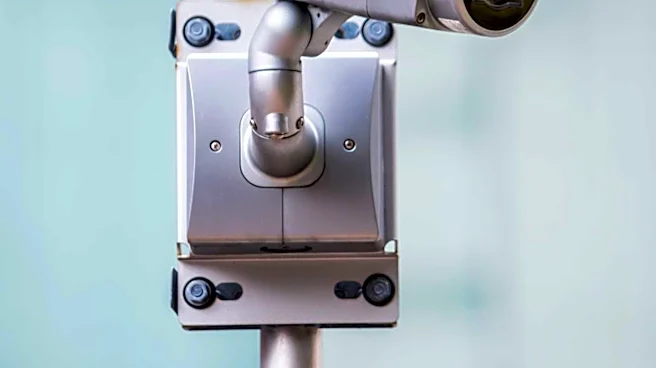
The Edison Township Council in New Jersey has approved a significant expansion of its Flock surveillance network through a 6-1 vote in September. This expansion includes the installation of license-plate readers at every entry and exit point of the township,
alongside a thermal-imaging drone. The total cost for the first year of the equipment contract is approximately $589,503.20, which will also grant access to Flock's national database. The township spokesperson has stated that asset-forfeiture funds will cover this expense, ensuring no direct cost to taxpayers. Despite this, residents have expressed strong opposition at council meetings, demanding a halt or cancellation of the deal, citing concerns over privacy and the lack of public input. Police Chief Thomas Bryan supports the expansion, asserting its effectiveness in crime fighting, particularly for locating stolen vehicles and wanted suspects, and states that the system is not paired with facial recognition. Councilman Richard Brescher cast the sole dissenting vote, arguing that the cameras do not deter crime and that the decision should have been put to a public vote.
Why It's Important?
This expansion of surveillance technology in Edison, New Jersey, highlights a growing national debate regarding public safety versus individual privacy rights. The implementation of widespread license-plate readers and thermal-imaging drones raises significant questions about the scope of government surveillance and its potential impact on civil liberties. While proponents, like Police Chief Thomas Bryan, emphasize the tools' utility in crime prevention and solving, critics argue that such pervasive monitoring could lead to issues like racial profiling, data misuse, and errors from artificial intelligence. The funding mechanism, using asset-forfeiture funds, also sparks discussion about transparency and accountability in local government spending, especially when bypassing direct taxpayer approval for a controversial initiative. The discrepancy in data retention policies—seven days according to Edison police versus up to three years in New Jersey as reported by NewsNation—further complicates the privacy landscape and underscores the need for clear, consistent regulations.
What's Next?
Following the Edison Township Council's approval, the installation of the expanded Flock surveillance network, including license-plate readers and a thermal-imaging drone, is expected to proceed. However, continued public backlash and calls for the deal's cancellation or pause suggest ongoing community engagement and potential protests. Council President Joseph Coyle has indicated a willingness to consider forming a three-member council committee to address residents' concerns, which could lead to further discussions or modifications to the program's implementation or oversight. The debate over data retention policies, particularly the discrepancy between the police department's stated seven-day retention and the state's potential three-year retention, will likely require clarification and could prompt calls for more stringent local ordinances. The outcome in Edison could also influence similar decisions in other municipalities grappling with the balance between security technology and privacy rights.
Beyond the Headlines
The situation in Edison reflects a broader national trend where communities are grappling with the ethical and legal implications of advanced surveillance technologies. The use of Flock cameras, while touted for crime-fighting capabilities, introduces complex questions about the 'always-on' nature of modern policing and its potential to erode the expectation of privacy in public spaces. The debate extends beyond mere data collection to how this data is stored, accessed, and potentially shared with other agencies, including federal entities like ICE and DHS, as reported in other instances across the country. This raises concerns about the potential for mission creep and the creation of a comprehensive surveillance infrastructure without adequate public consent or robust legal safeguards. The pushback from residents underscores a growing public awareness and demand for transparency and accountability from local governments when deploying technologies that can fundamentally alter the relationship between citizens and the state.