




What's Happening?
Effective Sunday, November 1, residents in Alleghany County and Covington, Virginia, who receive Supplemental Nutrition Assistance Program (SNAP) benefits will face new restrictions on certain beverage purchases. Under these updated guidelines, SNAP benefits can
no longer be used to buy carbonated drinks containing five grams or more of added sugar per serving, as well as certain drinks with artificial sweeteners, including soda, diet soda, zero-sugar soda, and carbonated energy drinks. This change is part of Virginia’s SNAP Healthy initiative, which aims to encourage healthier food and beverage choices among families receiving assistance. The Virginia Department of Social Services has clarified that these restrictions will not impact a household’s SNAP eligibility or monthly benefit amount. The modifications were approved through a waiver from the U.S. Department of Agriculture. Eligible beverages will still include milk, juice, lemonade, iced tea, iced coffee, sports drinks, infant formula, unsweetened seltzer, and non-carbonated energy drinks.
Why It's Important?
This policy shift in Virginia holds significant implications for public health and the food and beverage industry within the state. By restricting the purchase of sugary and artificially sweetened carbonated beverages, the initiative seeks to combat diet-related health issues such as obesity and type 2 diabetes, which are prevalent concerns across the U.S. For SNAP recipients, this means a direct influence on their purchasing habits, potentially leading to a greater consumption of healthier alternatives. The food and beverage industry, particularly manufacturers and retailers of carbonated soft drinks, may experience a decline in sales among this demographic, while producers of eligible non-carbonated and healthier options could see increased demand. This move also highlights a growing trend among state and federal agencies to leverage assistance programs as tools for public health improvement, potentially setting a precedent for similar restrictions in other states.
What's Next?
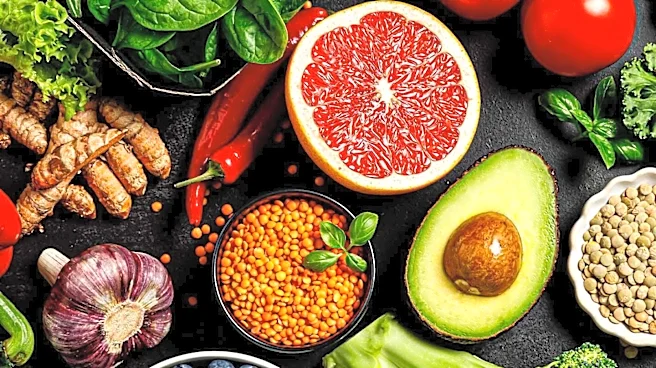
The Virginia Department of Social Services encourages residents with questions about the new restrictions to contact them directly at SNAPHealthy@dss.virginia.gov. The SNAP Healthy initiative also includes a partnership with Virginia Fresh Match, which doubles SNAP benefits spent on fruits and vegetables at participating locations, further promoting healthier eating. The impact of these restrictions on the health outcomes of SNAP recipients and the sales figures of affected beverage categories will likely be monitored closely. Other states may observe Virginia's experience to evaluate the effectiveness and feasibility of implementing similar measures. The long-term success of this initiative will depend on its ability to genuinely shift consumer behavior towards healthier choices without creating undue burdens for beneficiaries.
Beyond the Headlines
The implementation of these SNAP beverage restrictions touches upon broader societal debates concerning individual choice versus public health interventions. While proponents argue that such policies are necessary to address health disparities and reduce healthcare costs, critics may raise concerns about paternalism and the potential for stigmatizing low-income individuals. This initiative also underscores the complex relationship between government assistance programs, dietary guidelines, and the commercial interests of the food and beverage industry. It could prompt manufacturers to reformulate products to meet eligibility criteria or to increase marketing efforts for compliant beverages. Furthermore, the focus on non-carbonated energy drinks remaining eligible, while carbonated ones are restricted, highlights the nuanced and sometimes inconsistent nature of dietary policy, reflecting ongoing scientific and public discourse about what constitutes a 'healthy' beverage.