




What's Happening?
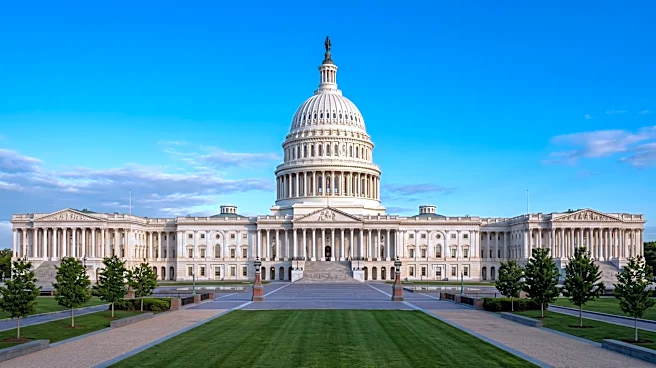
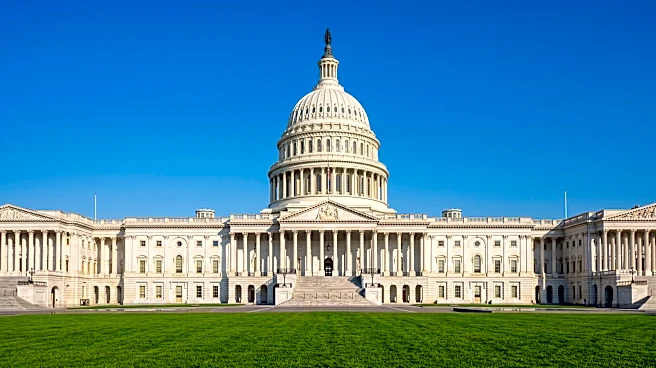
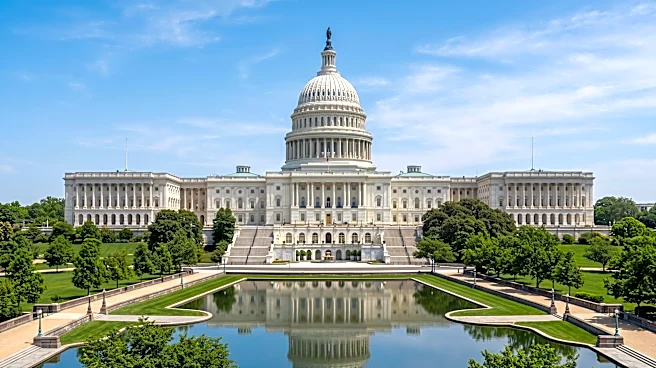
The Visitable Inclusive Tax Credits for Accessible Living (VITAL) Act has been reintroduced in Congress to combat the lack of affordable, accessible housing in the United States. Senators Amy Klobuchar and Kirsten Gillibrand introduced the Senate bill,
S.5285, with Senators Tammy Duckworth, Andy Kim, Chris Van Hollen, and Peter Welch as original cosponsors. Representatives Dwight Evans and Brian Fitzpatrick introduced the bipartisan House bill, H.R. 10049. The VITAL Act aims to increase federal funding for the Low-Income Housing Tax Credit Program (LIHTC), which would enable housing developers to increase the number of accessible homes available nationwide. Additionally, the bill would require states to utilize federal funding to ensure that at least 40% of affordable homes are accessible or adaptable over a three-year period. Further funding would be provided for projects in rollable and walkable communities, facilitating independent access to public transit and essential services for people with disabilities and seniors.
Why It's Important?
The reintroduction of the VITAL Act is crucial for addressing a significant social and economic challenge in the United States: the severe shortage of affordable and accessible housing. This shortage disproportionately affects people with disabilities and seniors, limiting their independence, access to employment, healthcare, and community participation. By increasing federal funding for the LIHTC program, the bill incentivizes developers to build more accessible units, thereby expanding housing options for vulnerable populations. The requirement for states to ensure a minimum percentage of accessible homes is a critical step towards systemic change, moving beyond voluntary measures to establish a baseline for inclusivity. Furthermore, supporting projects in rollable and walkable communities enhances the overall quality of life for individuals with mobility challenges, fostering greater integration and reducing social isolation. This legislation has the potential to significantly improve the lives of millions of Americans by promoting equitable housing opportunities.
What's Next?
The VITAL Act will now undergo the legislative process in both the Senate and the House of Representatives, where it will be reviewed by relevant committees, potentially amended, and put to a vote. Advocacy groups, such as the American Council of the Blind (ACB), are actively encouraging public support for the bill through campaigns like Speak4. If passed, the act would lead to a substantial increase in accessible housing units across the country, driven by enhanced federal funding and state-level mandates. Housing developers would likely adjust their construction plans to meet the new accessibility requirements and leverage the increased tax credits. The focus on rollable and walkable communities could also spur urban planning initiatives that prioritize pedestrian-friendly infrastructure and public transit access, creating more inclusive neighborhoods nationwide.
Beyond the Headlines
The VITAL Act touches upon deeper ethical and societal considerations regarding the right to housing and the principle of universal design. Beyond simply providing shelter, accessible housing is fundamental to human dignity and full participation in society. The bill's emphasis on 'visitable' and 'adaptable' homes reflects a forward-thinking approach that anticipates future needs and promotes long-term sustainability in housing development. By integrating accessibility into affordable housing initiatives, the legislation challenges the traditional segregation of housing options for people with disabilities and promotes a more inclusive vision of community living. This shift could lead to a broader cultural change in how housing is conceived and constructed, moving towards environments that are inherently welcoming and functional for all individuals, regardless of their physical abilities or age. It also highlights the economic benefits of accessibility, as it expands the potential market for housing and reduces the need for costly retrofits later on.