









What's Happening?
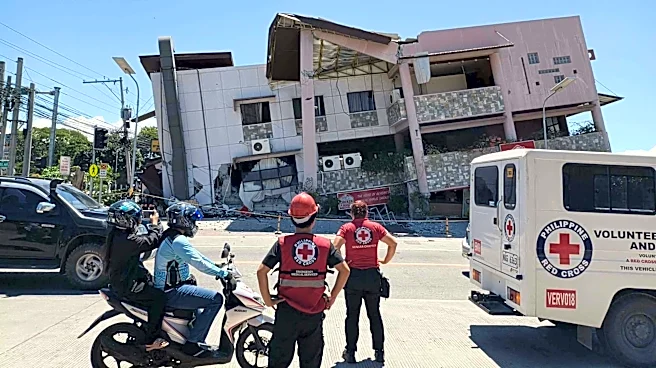
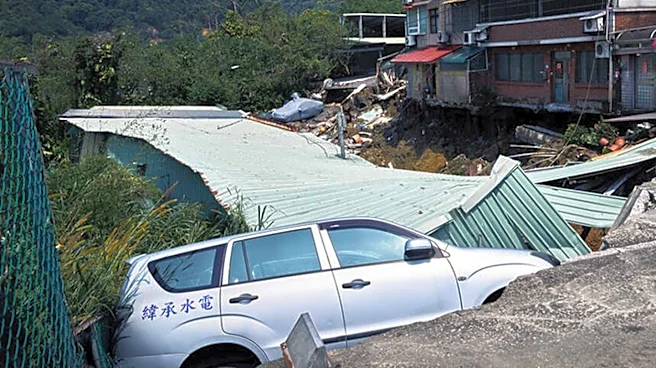
A powerful offshore earthquake with a magnitude of 7.8 struck the southern region of the Philippines on Monday. The seismic event resulted in the tragic loss of at least 19 lives and left more than 200 individuals injured. The earthquake's epicenter was
located offshore, which contributed to the widespread impact felt across the affected areas. Emergency response teams have been deployed to assist in rescue operations and provide aid to those affected by the disaster. The local government and international agencies are coordinating efforts to assess the full extent of the damage and provide necessary support to the victims.
Why It's Important?
The earthquake in the Philippines highlights the vulnerability of regions situated along tectonic plate boundaries, where seismic activity is more frequent. Such natural disasters can have devastating effects on local communities, infrastructure, and economies. The immediate impact includes loss of life, injuries, and displacement of residents, while the long-term consequences may involve rebuilding efforts and economic recovery challenges. The international community often plays a crucial role in providing aid and support in the aftermath of such disasters, emphasizing the importance of global cooperation in disaster response and preparedness.