







What's Happening?
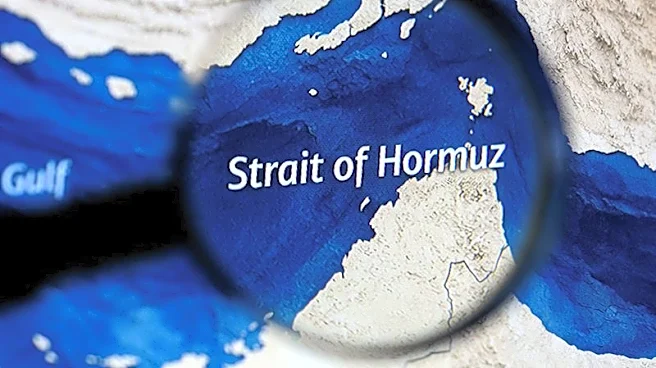
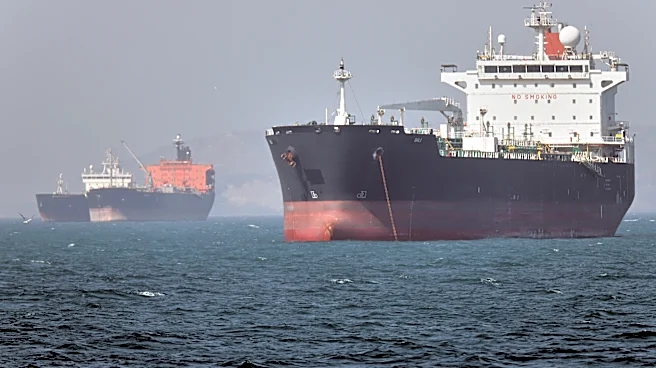
The United States has proposed a resolution at the United Nations demanding that Iran halt its attacks and mining activities in the Strait of Hormuz. This resolution, drafted with Bahrain and supported by several Gulf countries, aims to address Iran's
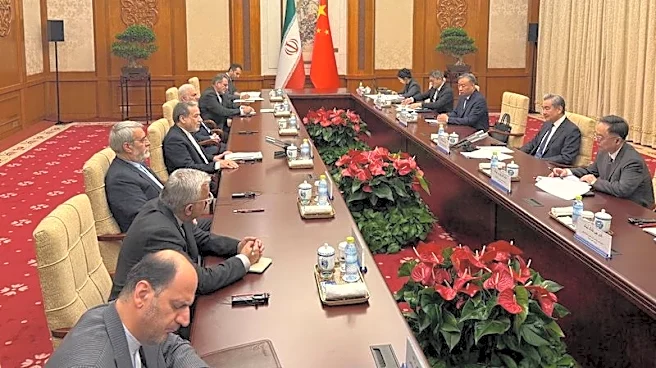
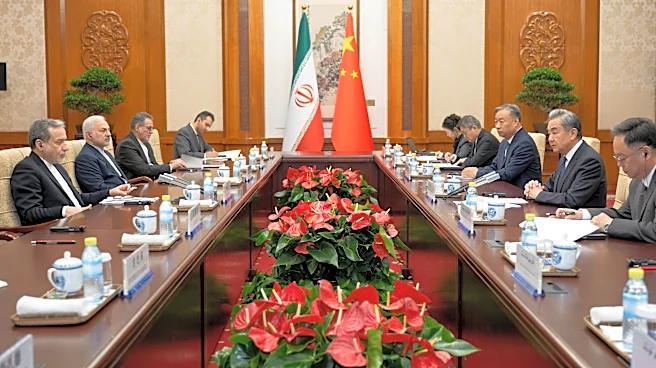
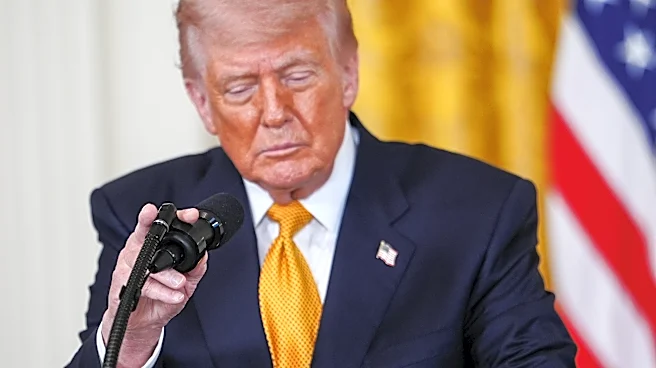
alleged violations of a ceasefire and threats to navigation freedom. However, the resolution faces strong opposition from China and Russia, who are expected to veto it. The draft resolution invokes Chapter VII of the UN Charter, which allows for sanctions or military action, a point of contention for China and Russia. The resolution's failure could complicate President Trump's upcoming visit to China, where the Iran conflict is expected to be a key topic.
Why It's Important?
The potential veto by China and Russia highlights the geopolitical tensions surrounding the Iran conflict and the challenges the US faces in garnering international support for its policies. The resolution's failure could undermine US efforts to legitimize military actions against Iran and strain relations with key international players. The situation underscores the complexities of international diplomacy and the influence of major powers like China and Russia in the UN Security Council. The outcome of this resolution could impact global oil markets and regional stability, given the strategic importance of the Strait of Hormuz.
What's Next?
If the resolution is vetoed, the US may need to explore alternative diplomatic or unilateral actions to address the situation with Iran. The upcoming visit of President Trump to China could provide an opportunity for dialogue, although the veto could also create diplomatic friction. The US and its allies may need to reassess their strategies in the UN and consider engaging with other international partners to address the security concerns in the Strait of Hormuz.