




What's Happening?
The U.S. Treasury Department and the IRS have finalized regulations under Section 45Q, which pertains to carbon dioxide capture, transportation, and storage. These regulations follow a notice of proposed rulemaking published in June 2020 and subsequent
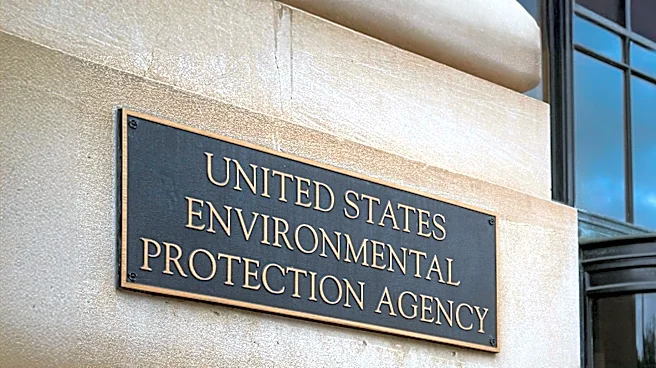
final regulations issued in January 2021. The updated regulations modify and amplify previous notices, expanding the applicability of safe harbor provisions. Specifically, they now cover qualified carbon oxide stored at enhanced oil or natural gas recovery projects with EPA-approved Monitoring, Reporting, and Verification (MRV) plans, in compliance with subpart RR requirements as of December 31, 2025. The regulations also address the determination of securely stored qualified carbon oxide and leaked amounts for recapture requirements. The Treasury Department and IRS are also seeking comments on using the International Organization for Standardization’s standard 27914:2026 for demonstrating compliance with Section 45Q for secure geological storage, as an alternative to subpart RR.
Why It's Important?
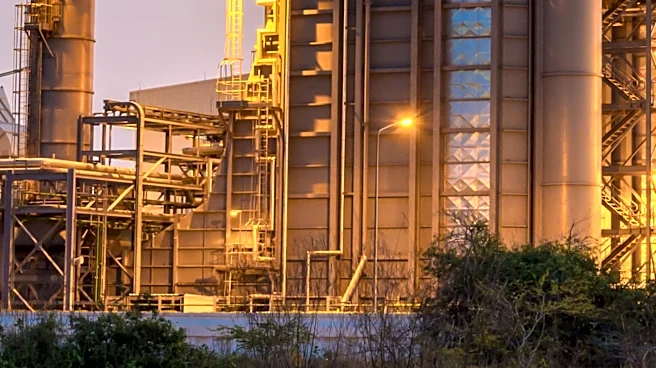
These finalized regulations are crucial for the carbon capture and storage (CCS) industry in the U.S., providing clarity and stability for projects seeking tax credits under Section 45Q. By expanding safe harbor provisions and refining measurement standards, the government aims to incentivize further investment and development in CCS technologies. This is significant for industries looking to reduce their carbon footprint and meet environmental targets. The potential adoption of international standards like ISO 27914:2026 could streamline compliance and foster greater consistency in carbon storage practices, potentially attracting more global investment and collaboration. The financial incentives offered through Section 45Q are vital for making CCS projects economically viable, which in turn supports job creation and technological innovation in the energy sector. The regulations also underscore the government's commitment to addressing climate change through technological solutions.
What's Next?
The Treasury Department and the IRS are actively soliciting comments on the appropriate standard for demonstrating compliance with Section 45Q for secure geological storage, specifically regarding the potential use of ISO 27914:2026. This indicates a continuous effort to refine and improve the regulatory framework for carbon capture. Stakeholders, including industry players, environmental groups, and technical experts, are expected to provide feedback, which could influence future amendments or guidance. The EPA's proposed amendments to the Greenhouse Gas Reporting Program, which could remove reporting obligations under subpart RR for reporting years after 2024, will also impact how compliance is managed. The extension of the reporting deadline for Annual Reports for reporting year 2025 to October 30, 2026, provides a temporary reprieve for facilities to adapt to evolving requirements.
Beyond the Headlines
The ongoing refinement of Section 45Q regulations highlights the complex interplay between economic incentives, environmental policy, and technological advancement. The debate over which standards to adopt—whether subpart RR or international ISO standards—reflects a broader discussion on how best to ensure the long-term security and effectiveness of geological carbon storage. This has ethical implications regarding environmental stewardship and the responsible use of public funds to support nascent technologies. The success of these regulations in stimulating widespread adoption of CCS will depend not only on their clarity but also on the broader market conditions and the perceived risks and benefits by investors. The long-term impact on the U.S. energy landscape and its ability to meet climate goals will be a critical measure of these policies' effectiveness.