





What's Happening?
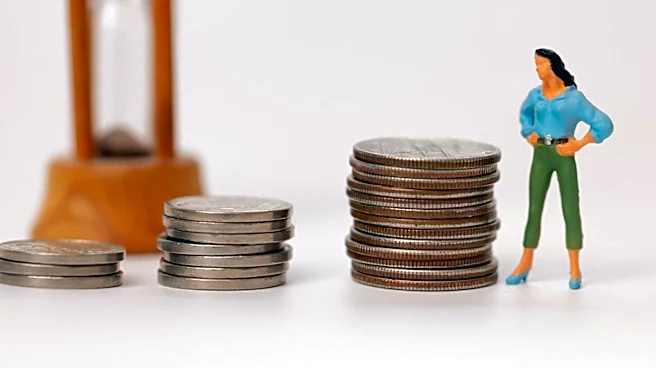
A recent analysis of federal wage data reveals that the gender pay gap has resulted in an estimated $671 billion in lost earnings over the past 25 years. According to MyPerfectResume, women's median weekly earnings have more than doubled from $493 in 2000
to approximately $1,089 in 2025. Despite this progress, women earned about 82 cents for every dollar earned by men in 2025, up from 77 cents in 2000. The analysis highlights that while the percentage gap has narrowed, the financial impact has grown due to the increased number of women working full-time. Jasmine Escalera, a career expert at MyPerfectResume, notes that the uncontrolled gap, which does not account for factors like occupation or education, has increased by over 60%, reaching an annual difference of $12,324 by 2025.
Why It's Important?
The persistent gender pay gap has significant implications for women's financial security and economic equality. The disparity in earnings affects women's ability to save for retirement, build wealth, and manage everyday expenses such as housing and healthcare. Additionally, women often bear a larger share of caregiving responsibilities, which can further disrupt their careers and widen the earnings gap. The findings underscore the need for employers to address pay disparities through measures such as pay equity audits, transparent compensation frameworks, and expanded leadership opportunities. Ensuring equitable pay is crucial for fostering a fair and inclusive workforce where all employees can thrive.
What's Next?
To address the gender pay gap, organizations are encouraged to implement regular pay equity audits and adopt transparent compensation practices. Employers can also enhance career progression opportunities by clarifying promotion paths and offering skill development programs. These steps can help employees navigate their careers more effectively and pursue long-term growth. Additionally, increasing transparency around pay decisions and utilizing data-driven pay structures are essential for building equitable workplaces. As awareness of the gender pay gap grows, more companies may adopt these practices to ensure fair compensation and support workforce engagement.