






What's Happening?
A new Dutch documentary titled 'Soldier’s Bones' sheds light on the underreported Speedy Express military operation during the Vietnam War, conducted by the U.S. Army's 9th Infantry Division. The operation, which took place from December 1968 to May 1969,
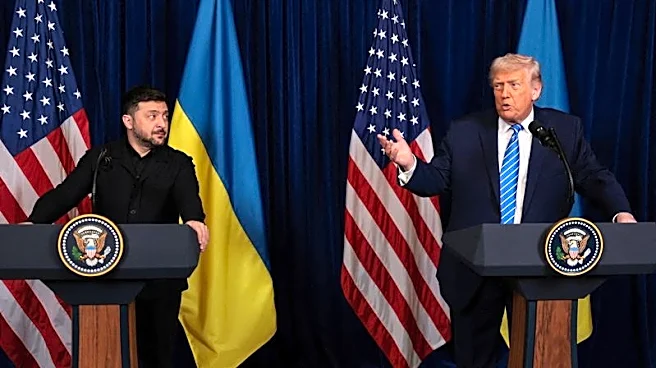
aimed to eliminate a Viet Cong stronghold in the Mekong Delta but resulted in the deaths of thousands of civilians. The documentary reveals that of the nearly 11,000 people killed, a significant number were civilians, including women and children. The operation was led by Maj. Gen. Julian Ewell, who was later decorated for his role. The film highlights the suppression of the story by Newsweek editors, who feared offending President Nixon. The documentary draws parallels between the Vietnam War and contemporary military strategies, particularly under President Trump, who has expressed aggressive military intentions.
Why It's Important?
The revelations about Speedy Express highlight the long-standing issues of military accountability and the impact of aggressive military strategies on civilian populations. The documentary serves as a reminder of the consequences of unchecked military power and the importance of independent journalism in uncovering such stories. The parallels drawn with modern conflicts, such as those involving the Trump administration's military actions, underscore the need for careful consideration of military strategies and their humanitarian impacts. The film's findings could influence public opinion and policy discussions regarding military conduct and the protection of civilians in conflict zones.
Beyond the Headlines
The documentary's exploration of Speedy Express raises ethical questions about the conduct of military operations and the responsibility of military leaders to prevent civilian casualties. It also highlights the role of the media in holding power to account and the challenges faced by journalists in reporting sensitive stories. The film's focus on historical events offers lessons for current and future military engagements, emphasizing the need for transparency and accountability in military operations. The documentary's lack of an American distributor points to potential challenges in bringing such stories to a wider audience.