







What's Happening?
The International Energy Agency (IEA) Executive Director Fatih Birol met with Canadian Prime Minister Mark Carney and other officials to discuss the impact of the Middle East conflict on global energy markets. The discussions in Ottawa focused on disruptions
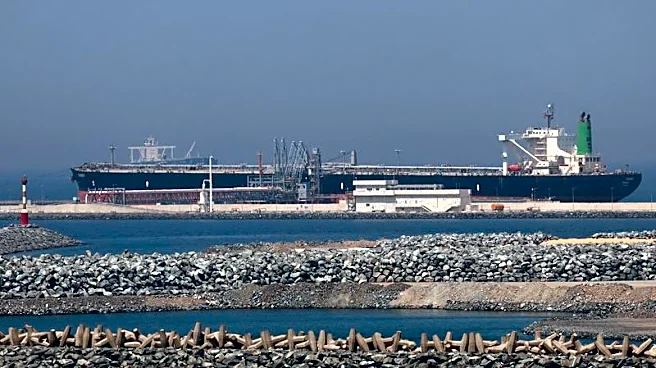
in the Strait of Hormuz, a critical passage for oil and natural gas shipments. Canada is exploring ways to enhance its energy export capacity to mitigate global supply uncertainties. The meetings also covered energy security, critical minerals supply chains, and Canada's role in stabilizing energy markets.
Why It's Important?
The Strait of Hormuz is a vital chokepoint for global oil and LNG exports, and disruptions there can significantly impact global energy prices and supply chains. Canada's potential to increase its energy exports could provide a buffer against these disruptions, enhancing global energy security. The discussions underscore the importance of diversifying energy sources and routes to reduce dependency on volatile regions. This situation highlights the interconnectedness of global energy markets and the need for strategic partnerships to ensure stability.
What's Next?
Canada may take steps to bolster its energy infrastructure and export capabilities, potentially increasing its influence in global energy markets. The IEA and Canadian officials will likely continue to monitor the situation in the Middle East and adjust strategies to address ongoing market volatility. These developments could lead to policy changes aimed at strengthening energy security and diversifying supply sources.