
What's Happening?
Brig. Gen. (res.) Yossi Karadi, head of Israel’s National Cyber Directorate, has highlighted the increasing threat of cyber warfare at the Cyber Week conference in Tel Aviv. He described a scenario termed
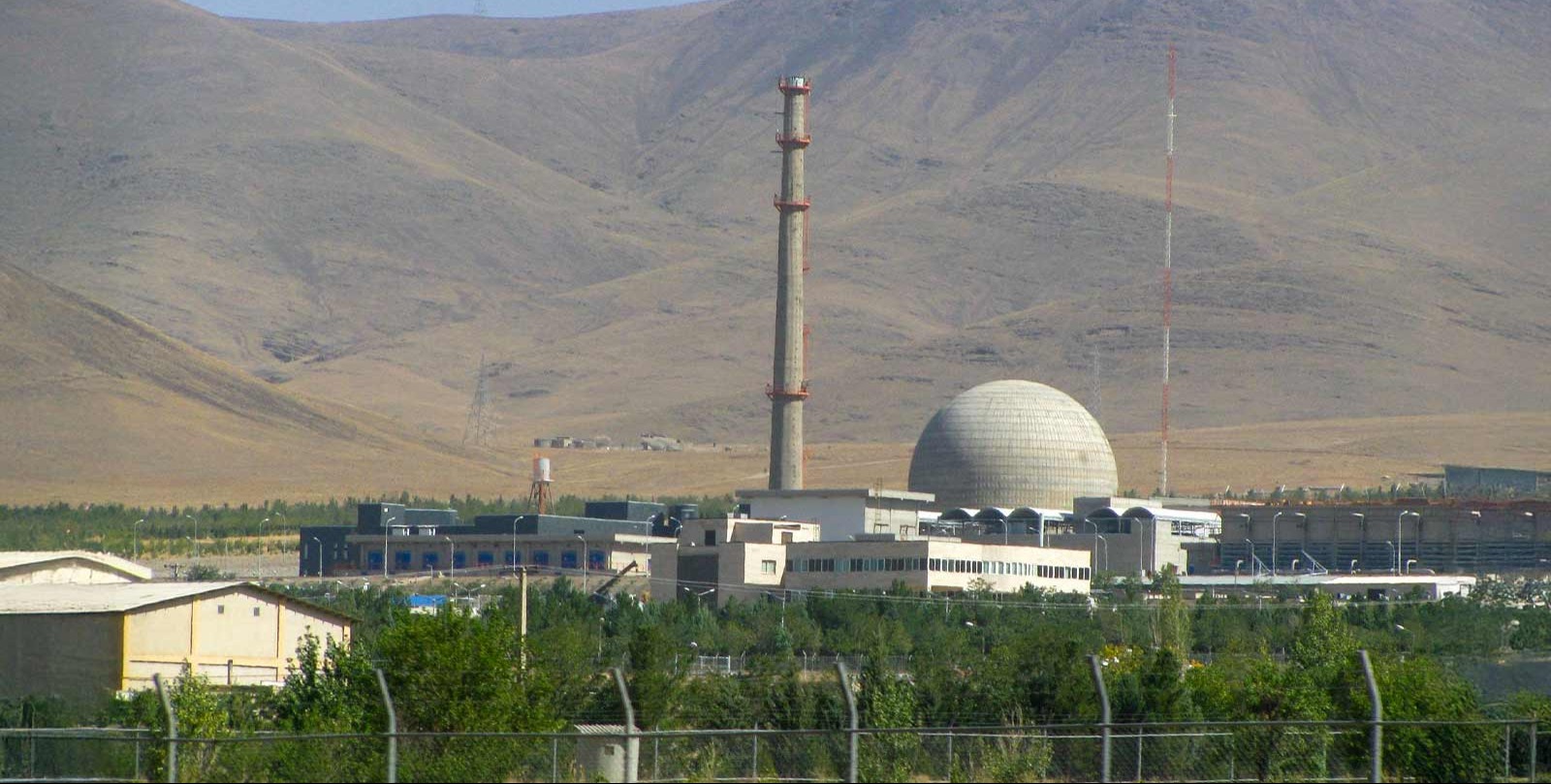
'digital siege,' where critical infrastructure such as power stations, traffic systems, and water supplies could be disrupted remotely. This marks a shift from traditional cyber espionage to more aggressive tactics aimed at civilian disruption. The evolution of cyber warfare was traced back to the Stuxnet worm in 2010, which targeted Iran's nuclear facilities. Recent incidents, such as the attempted alteration of chlorine levels in Israel's water system by Iranian hackers, underscore the growing threat. The use of proxy cyber gangs by states like Iran and Russia complicates attribution and response, as these groups blur the lines between criminal activity and state-sponsored attacks.
Why It's Important?
The implications of a digital siege are profound, as it represents a new frontier in warfare where civilian life can be severely impacted without physical conflict. This development poses significant challenges for national security, requiring countries to bolster their cyber defenses and develop strategies to protect critical infrastructure. The U.S. and other nations face similar threats, with groups like China's Volt Typhoon reportedly embedding back doors in U.S. infrastructure. The potential for widespread disruption highlights the need for international cooperation and robust cybersecurity measures to prevent and mitigate such attacks. The increasing frequency and sophistication of these cyber threats necessitate a reevaluation of current defense strategies and the development of new technologies to safeguard against future attacks.
What's Next?
Countries are likely to increase investments in cybersecurity infrastructure and develop more comprehensive defense strategies to counteract these threats. International collaboration may become more critical as nations seek to share intelligence and best practices. The private sector, particularly companies involved in critical infrastructure, will need to enhance their security protocols and work closely with government agencies to ensure resilience against potential cyberattacks. As the boundary between state-sponsored and criminal cyber activities continues to blur, legal and policy frameworks may need to be updated to address the complexities of attribution and response.