


What's Happening?
Researchers at the University of Oldenburg, through the PIKO project, are investigating biochar as a sustainable alternative to peat in button mushroom cultivation. Currently, black peat is the primary component of mushroom growing substrates, but its
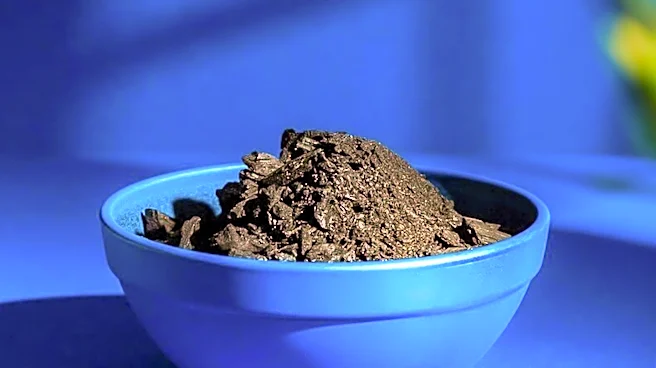
extraction contributes to CO2 emissions and climate change. The PIKO project, funded by the EU and the State of Lower Saxony with approximately 410,000 euros, aims to develop a market-ready, peat-free, regionally produced substrate by June 2028. The research team, led by Prof. Dr. Michael Wark and Prof. Dr. Dirk Albach, is collaborating with local industry partners, Griendtsveen AG and Pilzland Vertriebs GmbH, to test various biochar compositions in climate chambers. Biochar is produced by heating plant waste and other organic materials, with the project specifically utilizing green waste from regional paludiculture, a sustainable form of peatland management.
Why It's Important?
This research is crucial for addressing the environmental impact of conventional mushroom cultivation. By replacing peat with biochar, the project aims to reduce greenhouse gas emissions associated with peat extraction, contributing to climate change mitigation. The focus on a regional circular economy, where raw materials are sourced and processed within Lower Saxony, enhances sustainability by minimizing transportation costs and supporting local industries. This initiative offers a more environmentally friendly approach to food production, aligning with global efforts towards sustainable agriculture. If successful, it could provide mushroom producers with a viable, eco-conscious alternative, potentially influencing industry standards and consumer preferences for sustainably grown produce.
What's Next?
The PIKO project will continue its initial trials in climate chambers, testing various biochar types and combinations with other components like compost. If these results are positive, the research will scale up to larger-scale testing under real-world conditions in button mushroom production. The project also includes environmental life cycle assessments to evaluate the sustainability of the carbon cycle of the biochars and socio-economic analyses to gauge market response and opportunities. By June 2028, the goal is to develop a market-ready, peat-free substrate. The findings could lead to widespread adoption of biochar in mushroom cultivation, potentially inspiring similar sustainable substrate developments in other agricultural sectors.
Beyond the Headlines
The PIKO project highlights a broader shift towards circular economy principles and sustainable resource management in agriculture. By utilizing waste products from paludiculture, it demonstrates how ecological restoration (peatland management) can be integrated with agricultural production to create a symbiotic system. This approach not only reduces environmental harm but also creates economic value from what would otherwise be considered waste. The project also underscores the importance of interdisciplinary collaboration between academia and industry to translate scientific research into practical, market-ready solutions. This could set a precedent for how agricultural waste streams are viewed and utilized, fostering innovation in sustainable farming practices and resource efficiency.