








What's Happening?
The Worcester School Committee is currently reviewing a proposed ordinance that would prohibit the use of smart glasses and other wearable technology within the district's schools. The ordinance, introduced by Vice Chair Molly McCullough, stems from concerns
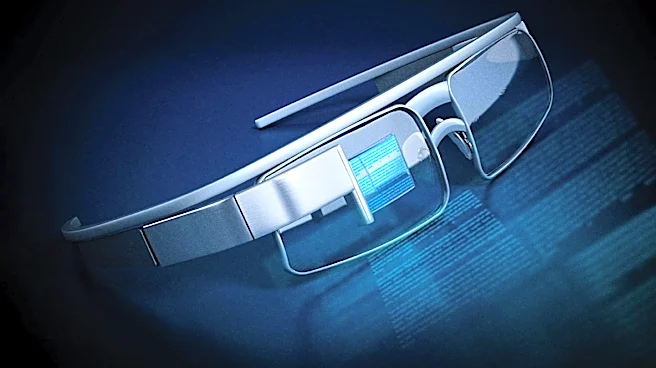
regarding potential academic dishonesty and unauthorized recording of individuals. Devices such as Rayban's Meta glasses, which can record video and audio, access the internet, and utilize artificial intelligence, are at the center of this discussion. McCullough highlighted that these devices could be used by students to cheat on tests, potentially accessing AI tools like ChatGPT during exams, even in person. Additionally, there is apprehension about students recording others without their explicit consent, raising significant privacy concerns. The Worcester School District aims to proactively address these issues before they become more widespread problems, seeking to balance technological advancement with responsible usage in an educational setting. A grandmother of a Worcester Public Schools student, Christine Church, echoed these concerns, stating that new technology can be 'a little bit scary' and that more understanding is needed before widespread adoption.
Why It's Important?
This initiative by the Worcester School Committee reflects a growing national conversation about the integration of advanced technology into educational environments and the challenges it poses. The potential ban underscores the tension between leveraging technological tools for learning and mitigating risks such as academic integrity breaches and privacy violations. For students, it could mean restrictions on personal devices that offer both educational and social functionalities, potentially impacting how they interact with technology in their daily lives. For educators and school administrators, it highlights the increasing complexity of managing digital tools in classrooms and the need for clear policies to maintain a fair and safe learning environment. The proactive stance taken by Worcester, following a similar ban by the Cambridge School Committee, suggests a trend among school districts to address these emerging technological concerns head-on. This move could set a precedent for other districts grappling with similar issues, influencing future policy decisions regarding wearable tech in schools across the U.S. The debate also brings to light the broader societal implications of ubiquitous recording capabilities and AI access, particularly concerning consent and data privacy among minors.
What's Next?
The proposed ordinance will now proceed to a subcommittee for further deliberation and discussion. This stage will likely involve a more in-depth examination of the technology, its potential uses and misuses, and the practicalities of implementing and enforcing such a ban. The subcommittee may also consider feedback from various stakeholders, including parents, students, educators, and technology experts. Following the subcommittee's review, the ordinance will return to the full Worcester School Committee for a final vote. The outcome of this vote will determine whether smart glasses and other wearable technology will be officially prohibited in Worcester schools. Depending on the decision, the district will then need to develop clear guidelines for enforcement, communicate the new policy to students and parents, and potentially invest in monitoring or detection methods. The ongoing discussion and eventual decision in Worcester could also influence other school districts in Massachusetts and beyond, as they observe how these challenges are addressed and resolved.
Beyond the Headlines
The discussion surrounding smart glasses in schools delves into deeper ethical and societal questions about the nature of privacy in an increasingly connected world, especially for younger generations. The ability of these devices to record discreetly challenges traditional notions of personal space and consent, raising concerns about a surveillance culture within educational institutions. Furthermore, the integration of AI capabilities, such as those found in Rayban's Meta glasses, blurs the lines between personal knowledge and external assistance, fundamentally questioning the assessment methods currently employed in education. This situation forces a re-evaluation of what constitutes 'cheating' in the age of advanced AI and how educational systems can adapt to ensure genuine learning and skill development. The debate also touches upon digital equity, as the cost-prohibitive nature of some of these devices might mean that only certain students have access, potentially creating a divide in how technology is used and regulated among different socioeconomic groups. Ultimately, this local school committee's decision is a microcosm of the larger societal challenge of integrating rapidly evolving technology responsibly and ethically.