




What's Happening?
PPL, a regulated utility providing electricity and natural gas to approximately 3.6 million customers in the U.S., has secured a significant grant from the U.S. Department of Energy (DOE). This funding is specifically allocated to support a grid resilience
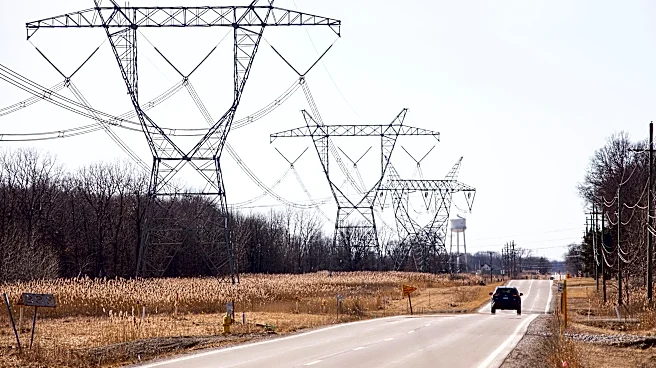
project in Pennsylvania, focusing on upgrading key transmission infrastructure. The initiative aims to enhance reliability for PPL Electric Utilities customers and deploy advanced grid technologies to meet the rising electricity demand in the region. This federal support aligns with PPL's ongoing strategy for major grid infrastructure upgrades and the integration of advanced technologies, which is crucial for modernizing transmission and accommodating increasing power consumption in Pennsylvania. The DOE grant is expected to alleviate some of the capital pressure on the Montour project, which is part of PPL's broader US$20 billion investment plan extending through 2028.
Why It's Important?
The DOE grant to PPL is important as it directly addresses the critical need for modernizing the aging U.S. electric grid infrastructure. This investment in Pennsylvania's transmission system will improve the reliability and resilience of electricity supply for millions of customers, mitigating risks associated with outages and ensuring a stable power flow amidst growing demand. For PPL, the federal funding provides a financial boost, potentially easing the burden of its extensive capital expenditure plans and signaling governmental support for such essential upgrades. This can influence regulatory decisions regarding cost recovery and rate adjustments, which are vital for utilities to finance large-scale projects. Furthermore, the project's focus on advanced grid technologies and resilience is crucial for integrating renewable energy sources and managing the complexities of a decentralized power system, contributing to broader national energy goals.
What's Next?
The immediate next step for PPL will involve the deployment of the DOE grant funds towards the specified transmission infrastructure upgrades and the implementation of advanced grid technologies in Pennsylvania. A critical aspect will be the Pennsylvania regulatory treatment of the Montour project's spending, including how much of the investment will be incorporated into the rate base and the timeline for PPL to recover costs, considering the DOE contribution. This regulatory process will determine the financial impact on both the utility and its customers. The project's progress will also serve as a case study for other utilities seeking federal support for grid modernization, potentially influencing future grant allocations and policy decisions related to infrastructure development across the U.S. The successful integration of advanced technologies will be monitored to assess their effectiveness in enhancing grid reliability and efficiency.
Beyond the Headlines
This DOE grant highlights a broader national trend towards strategic investment in critical infrastructure to combat the challenges posed by an aging grid and evolving energy demands. Beyond the immediate benefits of improved reliability, such projects are foundational for the U.S.'s transition to a more sustainable and resilient energy future. The integration of advanced grid technologies, supported by federal funding, can accelerate the adoption of smart grid solutions, energy storage, and distributed energy resources. This shift has profound implications for cybersecurity, as a more digitalized grid presents new vulnerabilities that require robust protection measures. Moreover, the success of these modernization efforts will depend on effective collaboration between utilities, regulators, and technology providers, shaping the future landscape of energy policy and infrastructure development in the U.S.