





What's Happening?
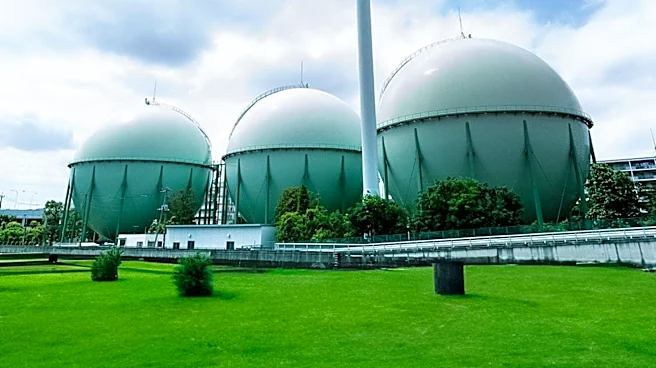
A new project in Broken Bow, Nebraska, is transforming cattle manure from the Adams Land & Cattle feedlot into pipeline-quality natural gas. This initiative involves eight anaerobic digesters that will process livestock waste to produce approximately
1.2 million MMBtu of natural gas per year. Neogenyx Fuels, the company owning the facility, highlights this as a demonstration of American agriculture's role in renewable fuels, connecting Nebraska to global demand for lower-carbon energy solutions. The project aims to support bio-LNG production for maritime markets, drive private investment, create jobs, and foster local economic growth. The U.S. Environmental Protection Agency (EPA) supports such biogas recovery operations, noting their benefits for farmers through new income streams, rural economic revitalization, energy autonomy, and greenhouse gas emission reduction.
Why It's Important?
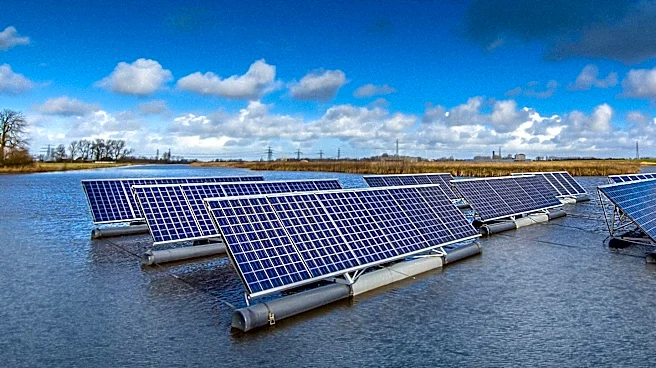
This project is significant for its potential to address multiple environmental and economic challenges. By converting methane-rich manure into renewable natural gas, the facility is projected to reduce greenhouse gas emissions by approximately 63,700 metric tons annually. Biogas projects are often rated with a carbon intensity value of -250, significantly lower than solar or wind energy, because they capture methane—a potent greenhouse gas—before it enters the atmosphere. This technology also reduces odors and local air pollutants associated with large-scale cattle operations. Economically, it offers farmers diversified income streams and contributes to energy independence. However, critics argue that incentivizing biodigestion for large-scale cattle ranching could inadvertently exacerbate environmental issues by entrenching unsustainable manure storage systems and potentially encouraging herd growth, though the extent of this impact is debated.
What's Next?
Once fully operational, the Nebraska facility will contribute a substantial amount of renewable natural gas to the energy grid, potentially influencing the broader adoption of similar projects across the U.S. The success of this venture could encourage more investment in agricultural biogas technologies, especially in states with large livestock industries. The ongoing debate between environmental benefits and potential agricultural consolidation will likely continue, influencing policy decisions regarding carbon credits and federal funding for such projects. The project's location in rural Nebraska may help it avoid some of the intense environmental and political battles seen in more populated areas like California, potentially allowing for smoother implementation and expansion. Future developments will likely focus on scaling up this technology and integrating it further into national energy strategies.
Beyond the Headlines
The Nebraska biogas project highlights a complex interplay between agriculture, energy, and environmental policy. While offering a tangible solution for waste management and greenhouse gas reduction, it also brings to the forefront the ethical considerations of supporting large-scale animal agriculture. The debate over whether such projects truly mitigate environmental harm or merely greenwash existing industrial practices is crucial. The carbon intensity ratings, while favorable, are subject to scrutiny from some environmentalists who fear unintended consequences like incentivizing herd growth. This project also underscores the potential for rural economies to become key players in the renewable energy transition, creating new industries and job opportunities. The broader implication is a shift towards more circular agricultural systems, where waste is viewed as a resource, but the scale and impact of these systems remain a subject of ongoing discussion and policy development.