
What's Happening?
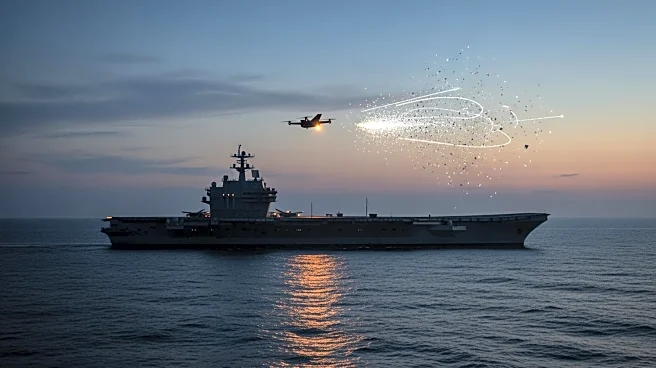
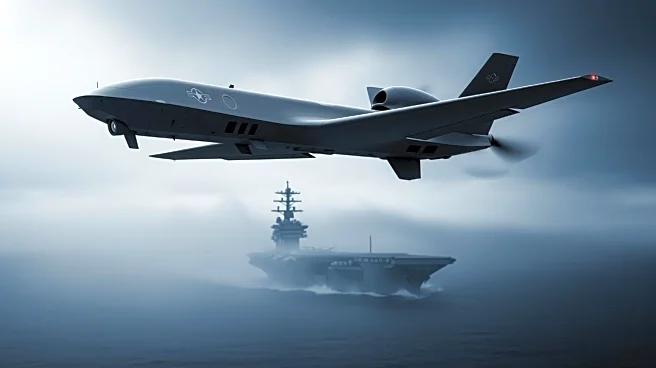
President Trump has indicated a temporary halt on military action against Iran, despite moving military assets, including an aircraft carrier, to the Middle East. This decision comes amidst ongoing protests
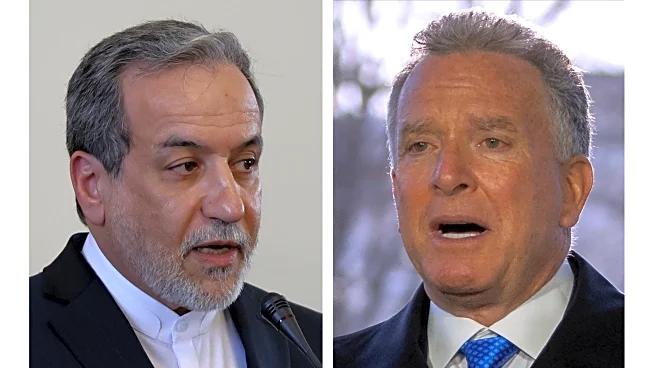
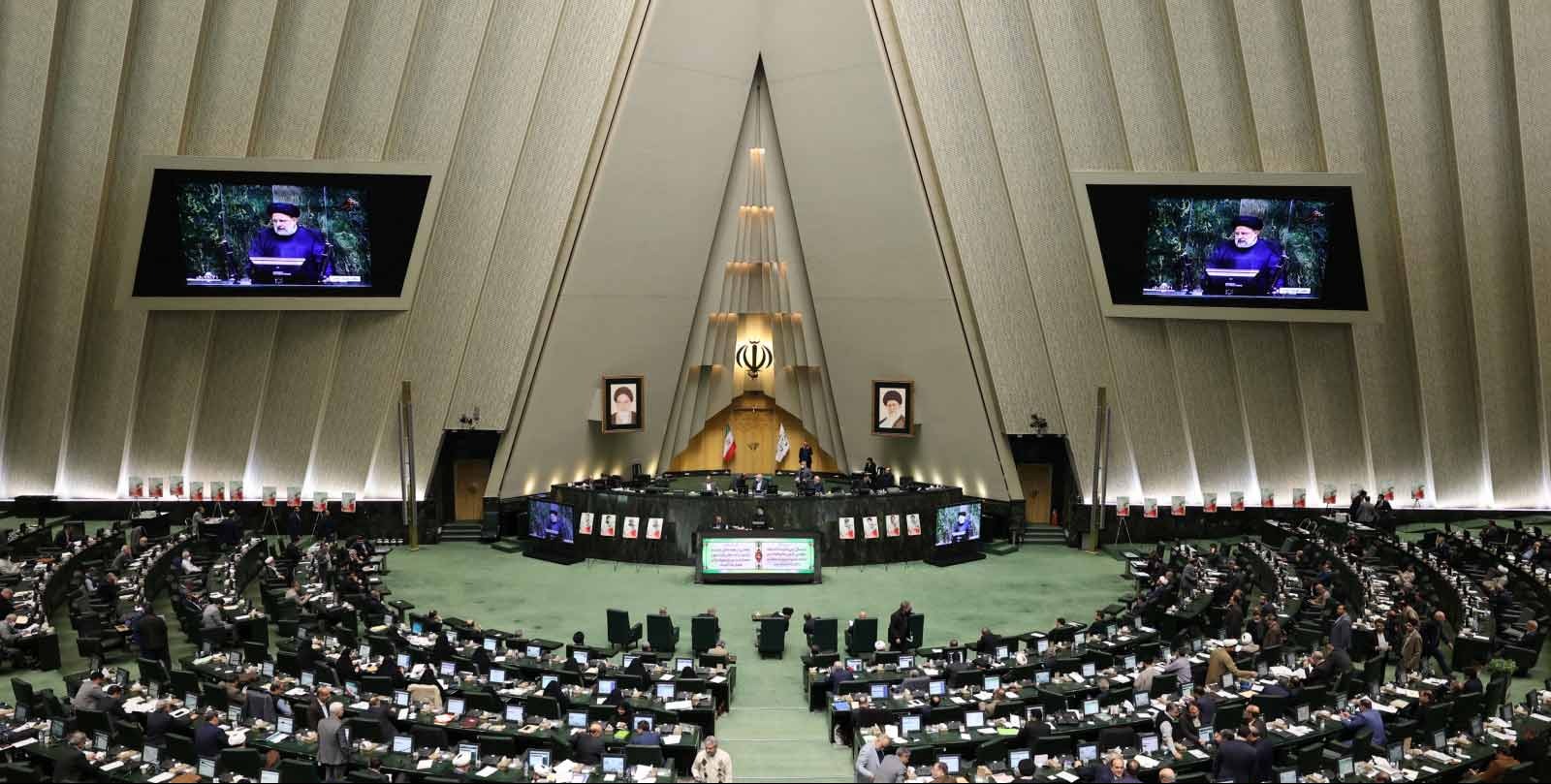
in Iran and reports of the Iranian government canceling planned executions of protesters. Trump has expressed respect for Iran's decision to halt these executions, although he has not ruled out future military action. The situation remains tense, with comparisons being drawn to previous U.S. military actions in the region. Analysts suggest that Trump's current stance may be a strategic move to allow for military preparations and to strengthen his position in potential negotiations with Iran.
Why It's Important?
The potential for U.S. military action against Iran carries significant implications for regional stability and international relations. A strike could escalate tensions, affecting global oil markets and international diplomatic efforts. The U.S. military's presence in the Middle East is a deterrent against Iranian aggression but also a potential flashpoint for conflict. Trump's decision to hold off on immediate action may be influenced by concerns over the effectiveness of a military strike in achieving regime change in Iran. The situation also impacts U.S. relations with allies in the region, who have urged caution to avoid further destabilization.
What's Next?
The U.S. may continue to reposition military assets in the region, maintaining pressure on Iran while exploring diplomatic avenues. The potential for renewed negotiations over Iran's nuclear and missile programs remains, with the U.S. likely to insist on addressing missile capabilities. The international community will be watching closely for any changes in Iran's domestic policies or military posture, which could influence U.S. actions. The situation remains fluid, with the possibility of military action still on the table depending on developments in Iran.