
What's Happening?
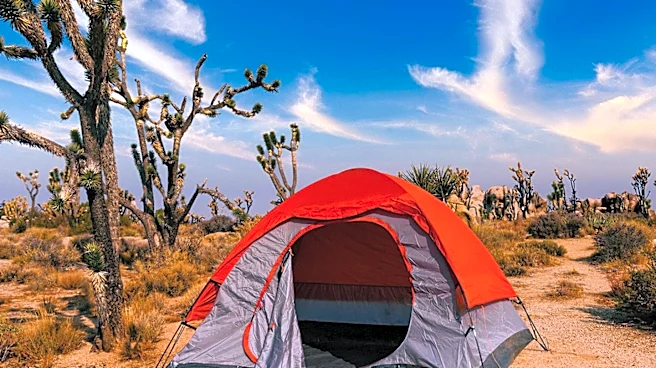
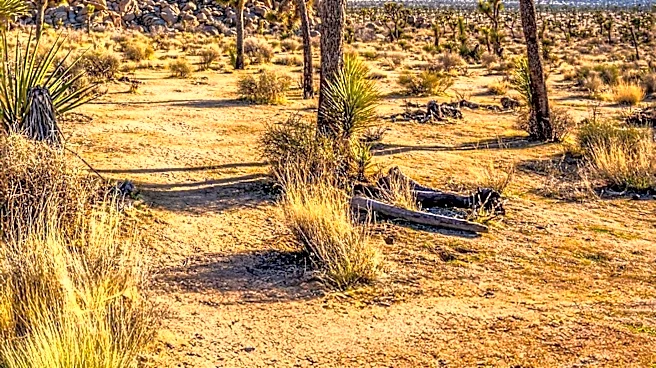
Joshua Tree National Park, situated at the convergence of the Mojave and Colorado Deserts, supports a complex food web comprising drought-resistant plants, specialized herbivores, skilled predators, and decomposers.
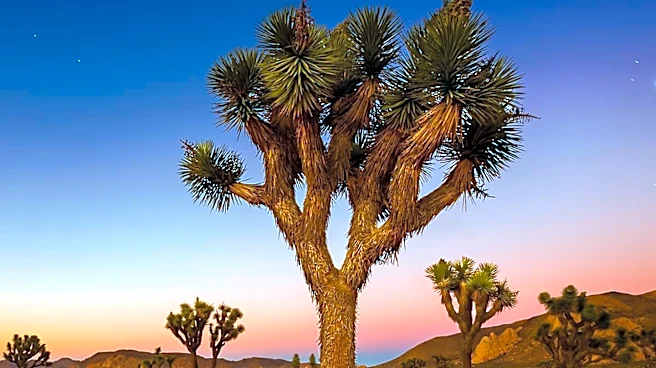
The park's ecosystem is characterized by extreme temperatures, scarce rainfall, and limited resources, yet maintains a balanced environment where each species plays a vital ecological role. The food web illustrates the flow of energy, beginning with the sun, which powers producers like the Joshua Tree, Creosote Bush, and various cacti through photosynthesis. This energy then transfers to primary consumers such as the Desert Woodrat and Kangaroo Rat, which are subsequently preyed upon by secondary consumers like the Mojave Rattlesnake and Kit Fox. Tertiary consumers, including the Coyote and Red-tailed Hawk, occupy the highest trophic levels. Decomposers, primarily bacteria and fungi, recycle nutrients back into the soil, ensuring the continuous functioning of the ecosystem.
Why It's Important?
The intricate food web within Joshua Tree National Park is crucial for maintaining biodiversity and ecological balance in one of North America's most unique desert environments. The survival strategies of its inhabitants, from deep-rooted plants to nocturnal herbivores, demonstrate remarkable adaptations to harsh conditions. The park's ecosystem serves as a natural laboratory for studying how life persists and thrives under environmental stress. The presence of top predators helps regulate prey populations, preventing overgrazing and ensuring the health of plant communities. The continuous recycling of nutrients by decomposers is fundamental for soil fertility, allowing new plant life to grow and sustaining the entire food web. Disruptions to any part of this delicate balance, such as changes in climate or human intervention, could have cascading effects throughout the entire ecosystem, impacting species survival and overall park health.
Beyond the Headlines
The Joshua Tree National Park ecosystem highlights the interconnectedness of all living organisms and the critical role each plays in maintaining environmental stability. The '10% Rule of Energy Transfer,' where only about 10% of energy moves to the next trophic level, underscores why there are far more plants than predators. This principle is vital for understanding ecological pyramids and the carrying capacity of an environment. The park's unique flora, particularly the iconic Joshua Tree, provides not only food but also shelter and nesting sites, demonstrating the multifaceted contributions of producers. The adaptability of species, such as the Grasshopper Mouse, which is a carnivorous rodent, challenges conventional classifications and emphasizes the complexity of desert survival strategies. The ongoing health of this ecosystem is a testament to natural resilience and a reminder of the importance of conservation efforts to protect such unique biological communities.