




What's Happening?
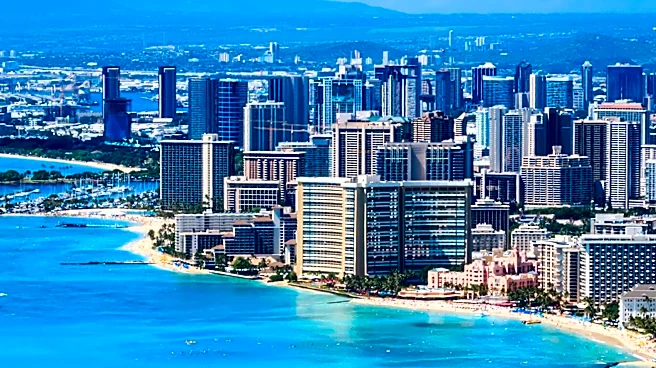
Maui County Council members are considering three amendments that would add 16 properties to a list slated for rezoning into hotel districts. This move is drawing criticism for potentially shrinking the housing inventory intended for long-term residents
under Bill 9, which phases out transient vacation rentals in apartment districts starting in 2029 for West Maui and 2031 for the rest of Maui County. The Housing and Land Use Committee heard extensive public testimony, with proponents arguing for hotel zoning based on sea-level rise exposure and rising maintenance costs, while opponents emphasized the need to convert these units into long-term housing to address the island's housing crisis. The committee has not yet voted on the resolutions, continuing discussions to a future meeting.
Why It's Important?
The debate over hotel rezoning in Maui County has significant implications for the island's housing crisis, tourism industry, and environmental planning. If approved, these amendments could reduce the number of units available for long-term residents, counteracting the original intent of Bill 9 to increase affordable housing options. This situation highlights the ongoing tension between supporting the lucrative tourism sector and addressing the critical need for local housing. The arguments presented, particularly those concerning sea-level rise exposure, also underscore the growing impact of climate change on land use policies and property values in coastal communities. The outcome of these deliberations will directly affect the availability and affordability of housing for Maui residents and could set a precedent for how other coastal communities manage similar challenges.
What's Next?
The Housing and Land Use Committee is scheduled to reconvene on August 27 to continue public testimony and move into substantive discussion, including potential amendments to add or remove properties from the resolutions. The committee will need to reconcile overlapping proposals and clarify criteria for rezoning, particularly regarding sea-level rise exposure. Following committee action, the resolutions would then be referred to the Maui Planning Commission for further review. Stakeholders, including property owners, housing advocates, and tourism representatives, are expected to continue lobbying for their respective interests. The final decisions will shape Maui's urban landscape and housing market for years to come, with potential legal challenges if criteria are not applied consistently.
Beyond the Headlines
This situation in Maui reflects a broader national challenge faced by popular tourist destinations: balancing economic benefits from tourism with the housing needs of local populations. The conflict between short-term vacation rentals and long-term residential housing is a recurring theme in many U.S. cities and coastal areas. The discussion also touches upon the ethical responsibility of local governments to protect their residents' access to affordable housing, especially in areas where external investment drives up property costs. Furthermore, the emphasis on sea-level rise as a justification for rezoning highlights the increasing integration of climate change considerations into urban planning and land use decisions, forcing communities to adapt to environmental realities while addressing social and economic pressures.