


What's Happening?
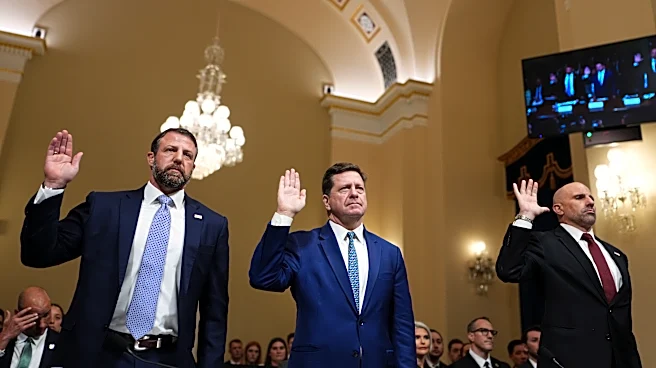
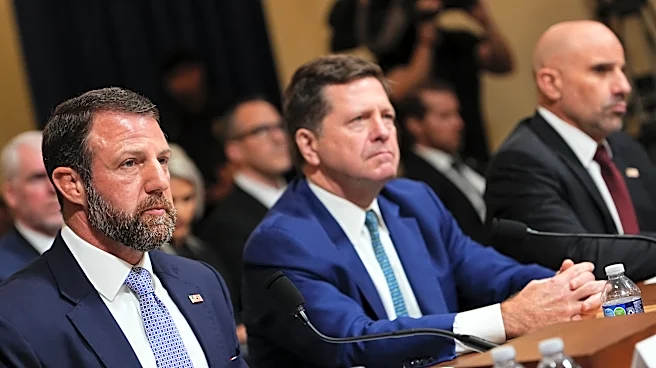
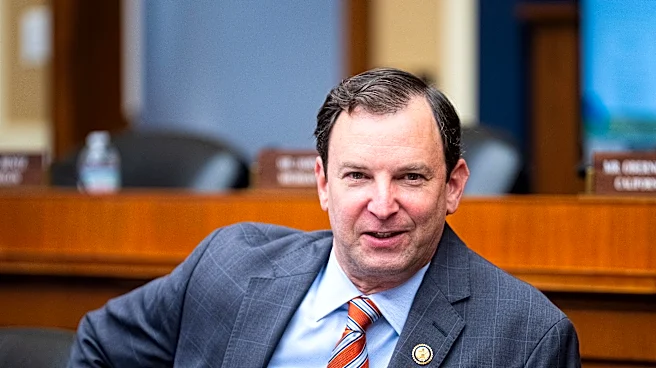
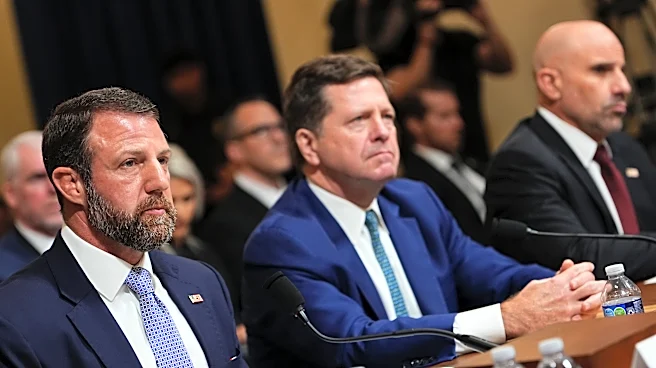
During a House Homeland Security Committee hearing, U.S. Representative Dale Strong, R-Huntsville, emphasized the critical role of North Alabama, particularly the Huntsville area, in developing counter-drone technology and supporting federal law enforcement
operations. Strong questioned Department of Homeland Security Secretary Markwayne Mullin and FBI Deputy Director Christopher Raia regarding the importance of Huntsville's defense and intelligence infrastructure and federal efforts to expand counter-unmanned aircraft systems (UAS) capabilities. He noted that Redstone Arsenal and the surrounding community host a significant concentration of military, intelligence, and federal law enforcement operations, supported by defense contractors, industry, and academic partners. FBI Deputy Director Raia acknowledged significant progress in the fight against counter-UAS over the past 21 months, partly due to the establishment of the National Counter-UAS Training Center at Redstone Arsenal in 2025. This facility trains and certifies federal, state, and local law enforcement personnel in detecting and neutralizing unlawful drones.
Why It's Important?
The focus on Huntsville's counter-drone capabilities underscores a national security priority to address evolving threats from unmanned aircraft. The hearing highlighted the increasing complexity of threats, including those from foreign adversaries, technological advancements, and terrorism, necessitating coordinated efforts among federal security agencies and continued investment in American innovation. Protecting large public gatherings, such as college football games and international sporting events like the 2028 Olympics, from potential drone threats is a key concern. The deployment of counter-drone technology to major events, as praised by Representative Strong, demonstrates a proactive approach to safeguarding public safety. The FBI's National Counter-UAS Training Center at Redstone Arsenal is crucial for equipping law enforcement nationwide with the skills and technology to combat unlawful drone activity, thereby enhancing national security and public protection against potential drone-borne threats.
What's Next?
Continued investment in American innovation and enhanced coordination among federal, state, and local agencies are anticipated to further strengthen counter-drone capabilities. The ongoing training and certification of law enforcement personnel at the National Counter-UAS Training Center will likely expand the reach and effectiveness of counter-drone operations across the country. As technology evolves, there will be a continuous need for adaptation and development of new strategies and tools to counter emerging drone threats. The emphasis on protecting large public gatherings suggests that counter-drone deployments will become a standard security measure for major events. Future legislative efforts may also focus on providing additional resources and authorities to federal agencies to combat the growing complexity of drone-related security challenges.
Beyond the Headlines
The discussion extends beyond immediate security concerns to highlight the broader implications of technological advancements in warfare and surveillance. The use of drones with explosive payloads in overseas conflicts, as noted by FBI Deputy Director Raia, signals a potential shift in domestic threat landscapes, requiring a re-evaluation of existing security paradigms. This development also underscores the critical role of public-private partnerships, with defense contractors, industry, and academic partners in Huntsville contributing significantly to national security solutions. The ethical and legal frameworks surrounding drone surveillance and neutralization will likely continue to evolve, balancing security needs with privacy concerns. Furthermore, the focus on counter-drone technology could spur further innovation in related fields, creating economic opportunities and solidifying the U.S.'s leadership in defense technology.