



What's Happening?
North Carolina lawmakers have advanced a bill, HB 1154, which allocates $6 million to address local agriculture and food insecurity. The bill was presented by State Rep. Karl Gillespie and quickly moved through the House Agriculture and Environment Committee
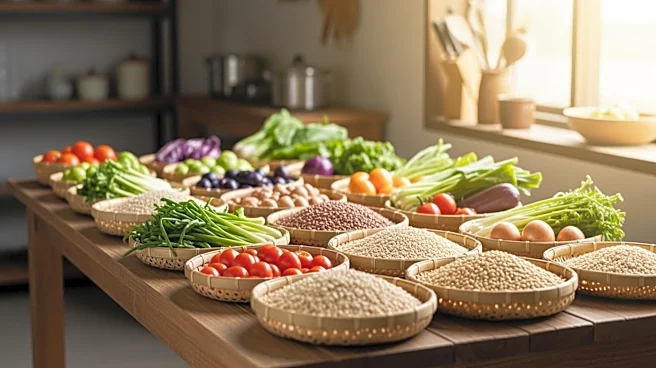
to appropriations. The legislation aims to support North Carolina farmers and families by strengthening local agriculture. It includes a $4 million expansion of the FarmShare Food Hub program and a $2 million appropriation for the Double Up Food Bucks Program. The bill is designed to keep tax dollars circulating within the state's agriculture economy. Additionally, the North Carolina Department of Agriculture & Consumer Services (NCDA&CS) provided updates on various innovative agricultural projects, including a state-of-the-art Fraser Fir seed processing center at the Upper Mountain Research Station.
Why It's Important?
The advancement of HB 1154 is significant as it addresses food insecurity, a pressing issue exacerbated by rising food prices and shifting federal support. By investing in local agriculture, the bill aims to enhance food security and support the state's economy. The funding for programs like FarmShare and Double Up Food Bucks is crucial for providing access to fresh produce for low-income families. Moreover, the bill supports the agricultural sector, which is North Carolina's largest industry, generating $111.1 billion annually. The focus on local seed processing for Fraser Firs also highlights efforts to maintain agricultural processes within the state, potentially reducing disease risks and supporting local jobs.
What's Next?
The bill will proceed to appropriations, where further discussions and potential modifications may occur. If passed, the implementation of the programs will require careful monitoring to ensure the funds are used effectively. The NCDA&CS will likely continue its research and development efforts to support the state's agricultural innovation. Stakeholders, including farmers and local communities, will be watching closely to see how the bill's provisions are enacted and their impact on food security and the local economy.