








What's Happening?
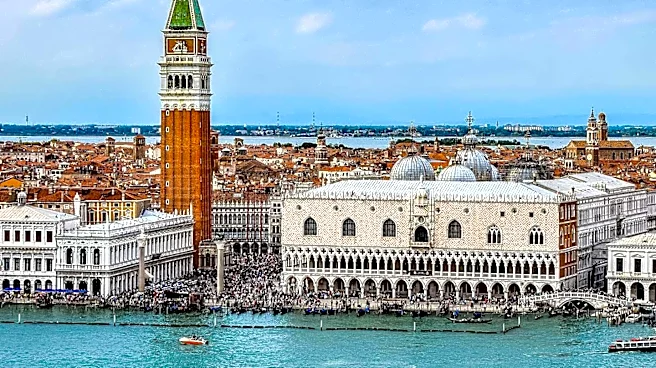
Venice is contemplating a significant increase in its tourist entry fee, potentially tripling it to €30 ($35) and extending the duration of its application. Michele Zuin, Venice's budget and taxation councillor, indicated that the current €5–€10 charge
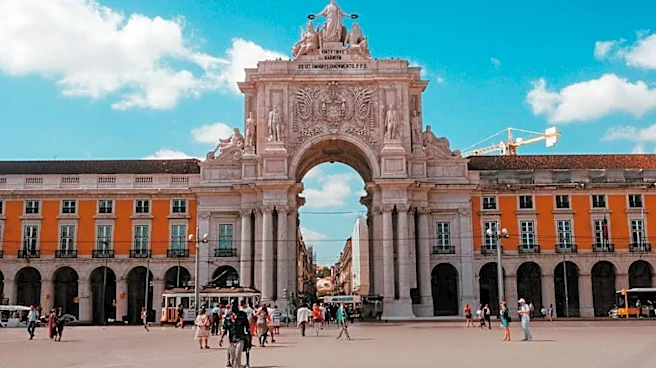
is no longer sufficient to deter excessive visitor numbers. Any increase for 2027 would necessitate discussions and agreement with the Italian government. The existing fee, introduced in 2024, applies to day-trippers, with exemptions for children under 14 and a lower rate for advance bookings. In 2026, the scheme generated over €5.2 million ($6.1 million) from nearly 680,000 tickets. Conversely, Rome's Mayor Roberto Gualtieri has rejected the idea of a Venice-style entry ticket, opting instead to focus on protecting residential housing and the historic character of the city through stronger restrictions on short-term rentals.
Why It's Important?
This divergence in strategies between Venice and Rome highlights the complex and varied approaches European cities are taking to manage overtourism, a phenomenon with significant implications for the U.S. travel industry and American tourists. For U.S. travelers, the potential fee increase in Venice means higher costs for day trips, potentially influencing travel budgets and destination choices. The contrasting policies also underscore a broader debate on how to balance tourism revenue with local quality of life and cultural preservation. U.S. tour operators and travel agencies will need to stay informed about these evolving regulations, as they could impact package deals and visitor experiences. The decisions made by these prominent European destinations could also set precedents for other popular global cities, including those in the U.S., grappling with similar issues of visitor volume and its impact on infrastructure and residents.
What's Next?
Venice's proposed fee increase for 2027 will require further discussions and agreement with the Italian government. City officials aim to spread visitor demand more evenly throughout the year and discourage day trips during peak periods. Meanwhile, Rome will continue to implement its strategy of protecting residential housing and the historic center through stricter regulations on short-term rentals, following updated urban development rules approved this summer. Mayor Gualtieri's goal is to discourage 'hit-and-run tourism' and encourage more meaningful engagement from visitors, while ensuring Rome remains an open destination. The effectiveness of both cities' approaches will be closely monitored, with potential adjustments based on their impact on tourism numbers, local economies, and resident satisfaction. These developments could influence future policy decisions in other European cities and potentially inspire similar discussions in U.S. urban centers facing tourism-related challenges.
Beyond the Headlines
The differing approaches of Venice and Rome to overtourism reveal deeper philosophical questions about the nature of urban identity and the role of tourism in modern cities. Venice's fee system represents a direct economic deterrent, aiming to control numbers and generate revenue for preservation. Rome's focus on housing protection, however, emphasizes the social contract between visitors and hosts, seeking to maintain the city's residential fabric and prevent its transformation into a mere tourist commodity. These strategies reflect a global struggle to reconcile the economic benefits of tourism with the imperative to preserve local culture, community, and environment. For the U.S., where many cities are popular tourist destinations, these European case studies offer valuable insights into the long-term consequences of tourism policies and the importance of holistic urban planning that considers both economic growth and social sustainability.