








What's Happening?
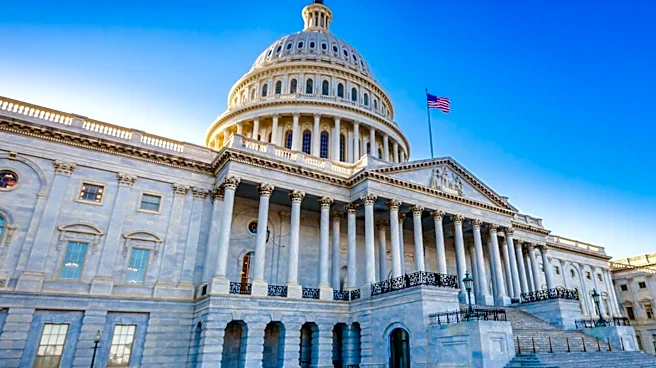
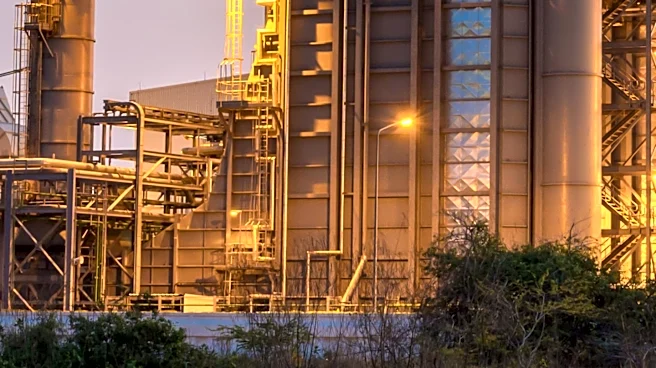
U.S. Rep. Frank Mrvan (D-IN) has introduced H.R. 10687, known as the Utility Affordability and Transparency Act. This proposed legislation seeks to prohibit the U.S. Department of Energy (DOE) from issuing emergency orders that either delay the retirement
of power plants or mandate electric generation from facilities that have already been permanently closed. The bill aims to enhance transparency for consumers regarding utility costs. If enacted, it would require the DOE to conduct studies on alternatives to emergency orders that could reduce net costs for consumers and utilities. Furthermore, the DOE would be mandated to publish a publicly available report detailing the estimated costs associated with any emergency order. The legislation also stipulates that affected electric utilities must provide customers with information on their monthly bills, clearly identifying any additional costs resulting from federal emergency orders. The bill is currently under consideration by the U.S. House Energy and Commerce Committee.
Why It's Important?
This legislation is significant because it addresses concerns about the financial burden placed on consumers due to federal interventions in power plant operations. By preventing the DOE from unilaterally delaying power plant retirements or forcing the reopening of closed facilities, the bill aims to protect taxpayers and utility ratepayers from bearing the costs associated with maintaining outdated or economically unviable power-generating units. The increased transparency requirements would allow consumers to understand why their utility bills might be rising and what specific government policies are contributing to those increases. This could empower consumers to advocate for more cost-effective energy policies. For the energy industry, the bill could introduce more predictability in plant retirement schedules, potentially influencing investment decisions in new energy infrastructure. It also highlights a broader debate about the balance between energy security, environmental goals, and consumer affordability.
What's Next?
The Utility Affordability and Transparency Act (H.R. 10687) is currently under review by the U.S. House Energy and Commerce Committee. The next steps would involve committee hearings, potential amendments, and a vote within the committee. If it passes the committee, it would then proceed to a vote in the full House of Representatives. Should it pass the House, it would move to the Senate for consideration. The bill's progression will likely involve discussions among lawmakers, energy industry stakeholders, consumer advocacy groups, and environmental organizations, each presenting their perspectives on the implications of federal intervention in power plant operations and utility costs. The outcome will depend on the level of bipartisan support and the priorities of congressional leadership.
Beyond the Headlines
Beyond the immediate financial implications for consumers, this legislation touches upon fundamental questions regarding federal oversight of the energy sector and the role of government in market operations. It implicitly questions the extent to which federal agencies should be able to override private-sector business decisions, particularly when those decisions involve the economic viability of power plants. The bill could set a precedent for how future energy policy balances national energy security concerns with market efficiency and consumer protection. It also highlights the ongoing tension between maintaining existing energy infrastructure, transitioning to cleaner energy sources, and ensuring affordable utility rates. The emphasis on transparency could lead to greater public scrutiny of energy policy decisions and potentially foster more informed public discourse on energy costs and sources.