



What's Happening?
A global coalition has launched the 'Take Down Pesticides' campaign, advocating for a deliberate transition away from petroleum-derived pesticides towards organic and agroecological alternatives. As a primary step, the coalition is urging state and national
governments to ban paraquat, a highly toxic weedkiller linked to Parkinson’s disease, thyroid cancer, and neurological harm in children. Over 70 countries have already banned paraquat, and more than 13 U.S. states have introduced legislation to do so. The campaign emphasizes that a single pesticide ban is insufficient to address the public health crisis caused by unchecked pesticide use. It highlights the severe impacts on farmworkers, farmers, and rural communities, who face increased rates of debilitating conditions due to pesticide exposure. The coalition also points out the fossil fuel dependency of the global food system, where pesticide manufacturing and distribution contribute to greenhouse gas emissions and toxic air pollutants.
Why It's Important?
This campaign is significant for U.S. public health, agriculture, and environmental policy. A ban on paraquat and a broader transition away from synthetic pesticides would directly impact the health of farmworkers and rural communities, who are disproportionately exposed to these chemicals. It would also challenge the industrial agricultural model, which heavily relies on synthetic agrochemicals, pushing for greater investment in organic and agroecological farming practices. For consumers, this could lead to increased demand for pesticide-free food and potentially influence food prices and availability. The campaign also highlights the interconnectedness of the food system with climate change, as pesticide production and use contribute to fossil fuel consumption and greenhouse gas emissions. The U.S. Congress and state policymakers face pressure to prioritize public health over corporate profits from agrochemical companies, potentially leading to new regulations and support for sustainable farming.
What's Next?
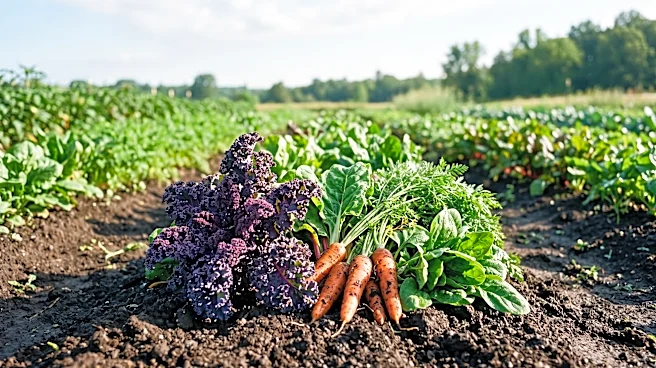
The 'Take Down Pesticides' campaign will focus on raising awareness about the harms of pesticides and promoting success stories of farmers who have eliminated synthetic chemicals. The immediate goal is to secure bans on paraquat at state and national levels in the U.S. The coalition is calling on the public to demand affordable, pesticide-free food, urging Congress to resist agrochemical lobbying, and pressing state and local policymakers to prohibit highly hazardous pesticides and support a just transition to organic and agroecological practices. Farmers are also encouraged to demand expanded federal, state, and local support for this transition. The campaign's success will depend on its ability to mobilize public support, influence legislative action, and counter the powerful lobbying efforts of the agrochemical industry. International efforts to curtail highly hazardous pesticides at the UN Food and Agriculture Organization and climate conferences will also continue to build momentum.
Beyond the Headlines
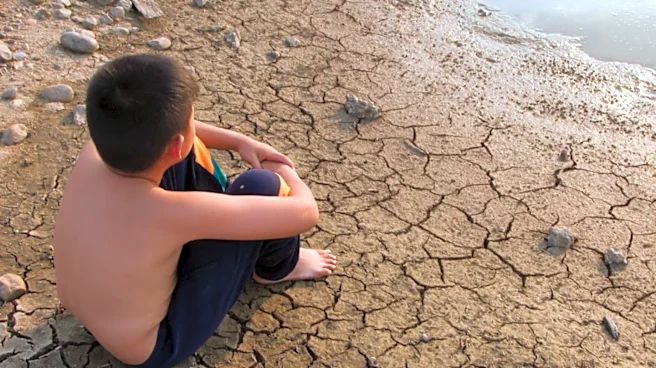
The 'Take Down Pesticides' campaign delves into deeper issues beyond immediate health concerns, touching upon the fundamental structure of the global food system and its sustainability. It challenges the narrative that industrial agriculture is necessary to feed the world, arguing that this is a fallacy driven by corporate greed. The campaign advocates for a paradigm shift towards organic and agroecological systems, which have been shown to be productive, profitable, and more resilient to environmental challenges like drought, while also improving soil health. This movement represents a broader push for food sovereignty and environmental justice, aiming to dismantle the fossil fuel dependency embedded in current agricultural practices. The long-term implications include a potential transformation of agricultural subsidies, research priorities, and consumer choices, leading to a more sustainable, equitable, and healthy food system that benefits both people and the planet.