


What's Happening?
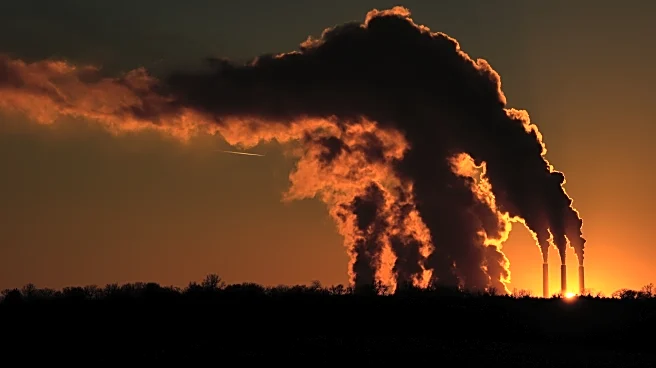
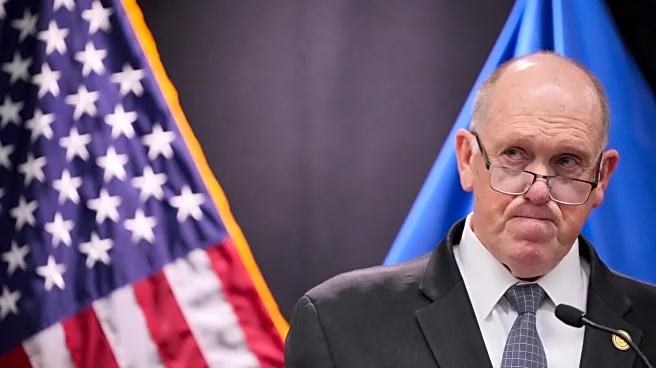
The Environmental Protection Agency (EPA) has revoked its 2009 endangerment finding, which declared greenhouse gases a threat to public health. This finding has been crucial for regulating emissions from power plants, vehicles, and other sources. The Trump
administration argues that the finding harms the economy and that previous administrations misrepresented the science. Environmentalists warn that the repeal undermines scientific progress and could lead to more extreme weather events. The decision could prevent future administrations from implementing climate regulations without restarting the scientific and legal process.
Why It's Important?
The revocation of the endangerment finding could have far-reaching consequences for U.S. climate policy. It removes the legal basis for many regulations aimed at reducing emissions, potentially leading to increased pollution and health risks. The decision may also hinder the U.S.'s ability to meet international climate commitments and affect its global leadership on climate issues. The move has been criticized by scientists and environmentalists who argue that it ignores the overwhelming evidence of climate change's impact on public health and the environment.
What's Next?
The decision is expected to face legal challenges from environmental groups and states that support climate action. These groups argue that the repeal is unlawful and not based on scientific evidence. The legal battles could take years to resolve, with the outcome potentially influencing the future of U.S. climate policy. Meanwhile, the administration's decision may embolden industries that oppose climate regulations, potentially leading to increased emissions. The situation highlights the ongoing debate over the role of science in policymaking and the balance between economic interests and environmental protection.