







What's Happening?
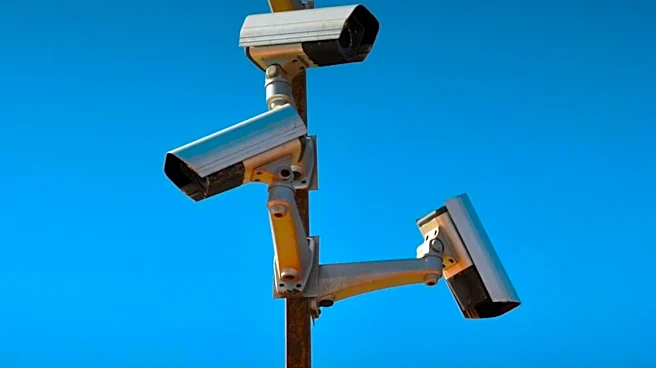
Across the U.S., affiliates of the State Policy Network (SPN) are actively challenging the use of automated license plate readers (ALPRs), often referred to as Flock cameras, due to growing concerns over government surveillance and digital privacy. These
cameras, which use artificial intelligence to capture and share vehicle information, are becoming more powerful and widespread, with Flock Safety alone operating over 120,000 cameras in 49 states. While law enforcement uses ALPRs to track criminals, they also create extensive records of the daily movements of individuals not suspected of any crime. SPN affiliates are pushing for greater transparency and stronger legal restraints on how this location data is accessed, stored, and shared. Legal centers in Wisconsin and Kansas have filed lawsuits challenging warrantless tracking and searches of travel records, while a Michigan legal center is seeking disclosure of records detailing camera locations and database access. The Institute for Justice, an SPN National Partner, is also pursuing federal challenges in Virginia and California, documenting over 140 instances of ALPR abuse and misuse.
Why It's Important?
The widespread deployment of ALPR technology raises significant questions about the balance between public safety and individual privacy rights in the U.S. The ability of these cameras to create searchable databases of citizens' movements, regardless of criminal suspicion, represents a substantial expansion of government surveillance capabilities. This development is particularly important as it shifts the burden of proof from law enforcement to citizens, who must now contend with their movements being routinely recorded and potentially accessed without a warrant. The legal challenges and legislative efforts by SPN affiliates highlight a growing national debate on how to regulate advanced surveillance technologies. The outcomes of these cases and policy discussions could set precedents for digital privacy protections, influencing how personal data is collected, stored, and used by government agencies and private entities alike. This issue affects all Americans, as it pertains to fundamental civil liberties and the potential for misuse of personal information, including tracking former romantic partners or wrongful stops, as documented by the Institute for Justice.
What's Next?
The ongoing legal challenges and legislative proposals are expected to continue shaping the regulatory landscape for ALPRs and digital privacy. The Wisconsin Institute for Law & Liberty's lawsuit, for instance, aims to require warrants for searching ALPR databases, which could establish a new standard for judicial oversight. Similarly, the Kansas Justice Institute's challenge under the Kansas Constitution seeks to protect citizens' privacy rights against warrantless tracking. The Mackinac Center Legal Foundation's case in Michigan focuses on transparency, aiming to compel counties to disclose information about camera locations and database access. State-level initiatives, such as those proposed by the Alabama Policy Institute and Florida's James Madison Institute, advocate for shorter data retention periods, limits on data sharing, and public oversight. Montana's existing model, which restricts police use of ALPRs to specified purposes and requires written policies and audits, may serve as a blueprint for other states. These efforts suggest a trend towards increased scrutiny and potential regulation of surveillance technologies, with a focus on balancing law enforcement needs with civil liberties.
Beyond the Headlines
The debate surrounding ALPRs extends beyond immediate privacy concerns, touching upon deeper ethical and societal implications. The proliferation of these cameras, coupled with AI advancements, creates a persistent digital footprint for every vehicle, raising questions about the nature of public space and the expectation of anonymity in daily life. The potential for data aggregation and cross-referencing with other surveillance systems could lead to comprehensive profiles of individuals, impacting everything from insurance rates to social credit systems, even if not directly intended. The involvement of private companies like Flock Safety in government surveillance also introduces complexities regarding data ownership, security, and accountability. The legal battles highlight the tension between technological capability and constitutional rights, particularly the Fourth Amendment's protection against unreasonable searches. The long-term impact could be a redefinition of privacy in the digital age, where individuals may have to actively assert their rights against increasingly pervasive surveillance. The varying approaches by states and legal organizations underscore the fragmented nature of U.S. privacy law, suggesting a need for a more unified national framework to address these evolving challenges.