







What's Happening?
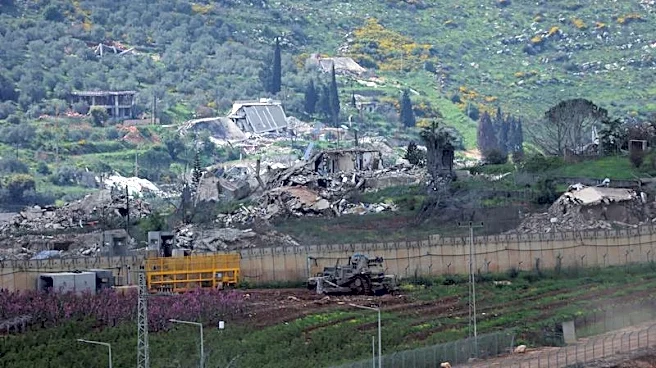
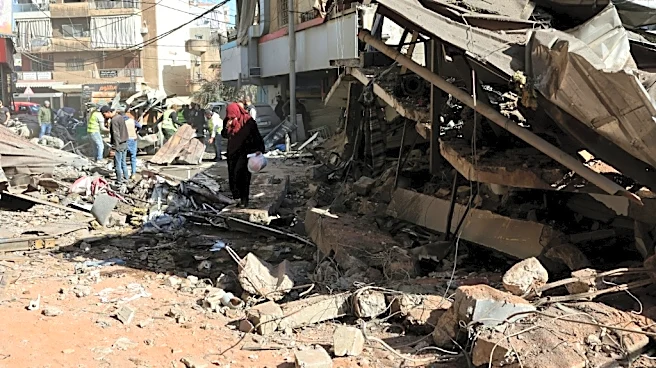
A fragile ceasefire has temporarily halted the conflict between the United States and Iran, but significant issues remain unresolved. The ceasefire has paused hostilities, yet questions about Iran's enriched uranium, the control of the Strait of Hormuz,
and Israel's actions in Lebanon persist. The military phase has reportedly degraded Iran's missile capabilities, but the status of its nuclear materials remains unclear. The ceasefire is seen as a strategic pause rather than a resolution, with ongoing negotiations attempting to address these critical issues.
Why It's Important?
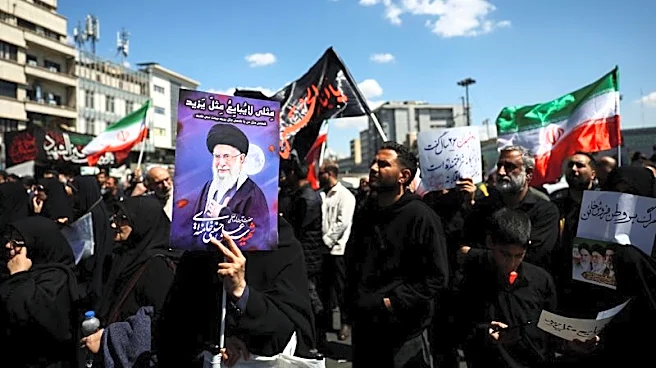
The ceasefire is a critical juncture in the US-Iran conflict, with potential implications for regional stability and global security. The unresolved issues, particularly Iran's nuclear capabilities and control over the Strait of Hormuz, are central to international security concerns. The outcome of ongoing negotiations could influence global oil markets, regional power dynamics, and U.S. foreign policy. The ceasefire provides a window for diplomacy, but the underlying tensions and strategic interests of the involved parties suggest that a comprehensive resolution may be challenging to achieve.
What's Next?
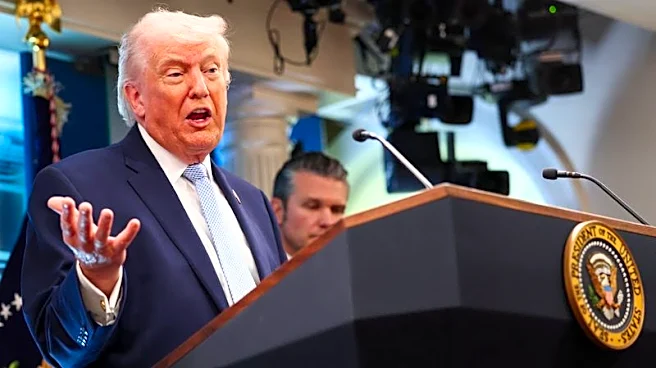
Negotiations are expected to continue, with both sides seeking to address the unresolved issues. The U.S. will likely focus on ensuring the free flow of oil through the Strait of Hormuz and addressing Iran's nuclear program. Iran, on the other hand, will push for the lifting of sanctions and recognition of its regional influence. The international community will be closely monitoring the situation, as the outcome could have significant implications for global energy markets and regional security. The ceasefire is a temporary measure, and the potential for renewed conflict remains if negotiations fail to produce a lasting agreement.