


What's Happening?
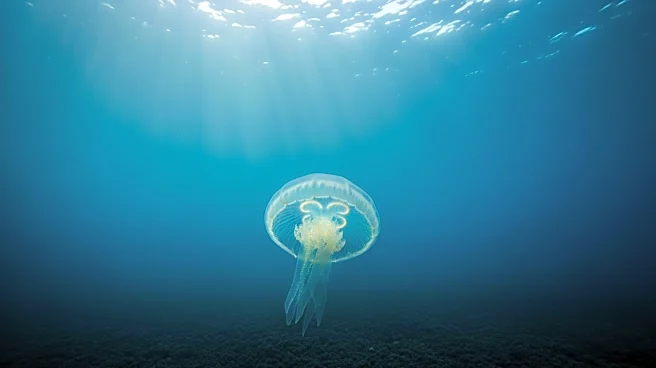
The High Seas Treaty, the first legally binding agreement to protect marine life in international waters, has officially taken effect. This historic treaty, which governs nearly half of the planet's surface, addresses threats such as destructive fishing
practices, shipping, plastic pollution, overfishing, and potential deep-sea mining, all exacerbated by climate change. The treaty was activated 120 days after reaching the ratification threshold by 60 countries in September, with 83 countries, including China and Japan, having ratified it by Friday. The treaty establishes a framework for creating Marine Protected Areas on the high seas, which currently have only about 1% protection. Ratifying countries are now required to collaborate on ocean science and technology and assist developing nations in ocean governance. Companies must conduct environmental impact assessments for activities that could harm marine life, and countries must promote conservation goals in international bodies regulating ocean activities.
Why It's Important?
The High Seas Treaty is crucial for global ocean conservation efforts, aiming to protect 30% of the world's oceans by 2030. This target is vital for maintaining ocean health, as the high seas constitute a significant portion of the world's oceans. The treaty's implementation could lead to significant changes in how international waters are managed, potentially curbing harmful practices and promoting sustainable use of marine resources. The treaty's success depends on the commitment of governments to enforce its provisions, as well as the establishment of effective monitoring and enforcement mechanisms. The absence of the United States as a ratifying member, despite its participation as an observer, highlights the challenges of achieving global consensus on environmental issues. However, the broad support for the treaty indicates a strong international commitment to ocean conservation.
What's Next?
Countries are expected to act swiftly to meet the treaty's goals, with the first Conference of Parties scheduled within a year to decide on operational details such as budgets and committee compositions. Preparatory meetings are ongoing, with a final session planned for late March. The earliest approval for Marine Protected Areas could occur at the second Conference of Parties, as the scientific body to review proposals is yet to be established. Monitoring and enforcement strategies are still under discussion, with options including satellite technology and coordinated patrols. The treaty's implementation will require continued advocacy and pressure from conservation groups to ensure that governments fulfill their commitments.
Beyond the Headlines
The High Seas Treaty represents a significant step in international environmental governance, demonstrating that global cooperation is possible despite political differences. The treaty's success could set a precedent for future agreements on other global commons, such as the atmosphere and outer space. It also highlights the interconnectedness of environmental issues, as the health of the oceans is linked to broader climate change challenges. The treaty's implementation will require balancing conservation goals with economic interests, particularly in industries like fishing and shipping. The involvement of developing nations in ocean governance is crucial for equitable and effective conservation efforts.