

What's Happening?
The White House's recent national security strategy has caused a stir in Europe by highlighting the continent's perceived weaknesses in economic and military power. The strategy document criticized European leaders for their stance on immigration, democracy,
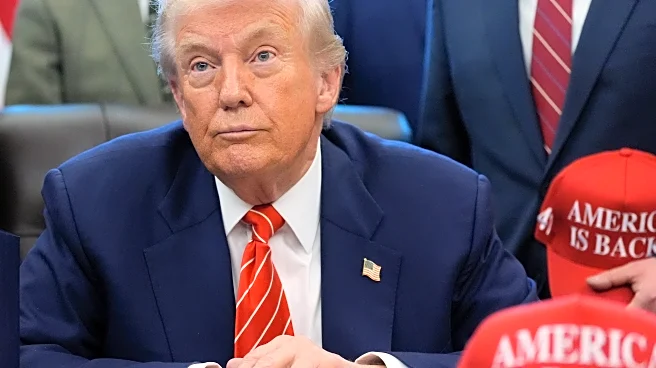
and freedom of speech, while questioning their ability to remain reliable allies. Former CIA Director David Petraeus commented that this strategy served as a necessary wake-up call for European nations to enhance their defense capabilities. Under pressure from the Trump administration, European NATO members have agreed to increase their defense spending to 5% of their GDP. Petraeus noted that President Trump played a significant role in prompting this commitment, which had been a long-standing issue for previous U.S. administrations.
Why It's Important?
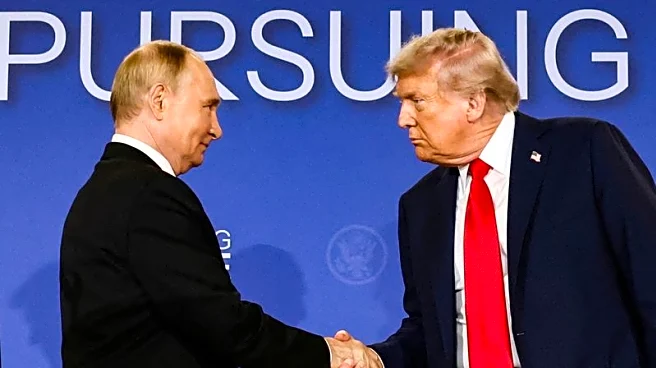
This development is significant as it marks a shift in European defense policy, potentially leading to stronger military alliances and increased security cooperation with the United States. The increased defense spending by European NATO members could enhance their military capabilities, making them more self-reliant and less dependent on U.S. military support. This move could also influence global geopolitical dynamics, as a more robust European defense posture may alter the balance of power in international relations. Additionally, the strategy's emphasis on re-establishing strategic stability with Russia, despite ongoing conflicts, could have implications for U.S.-Russia relations and broader international security.