







What's Happening?
Residents of Langley, a small arts town on Whidbey Island in Island County, are actively planning their firewood procurement and storage due to the unique logistical challenges of island living and the local marine climate. Firewood service on Whidbey Island is impacted
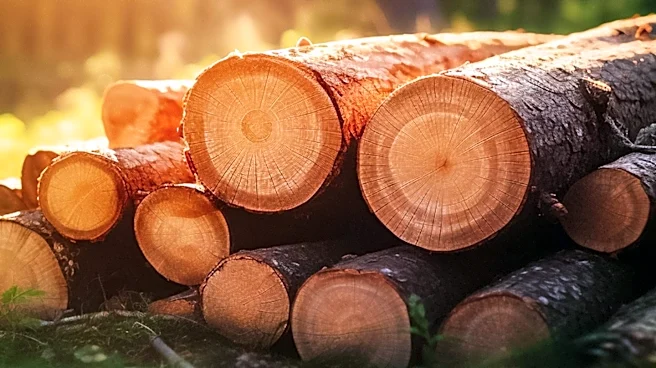
by ferry-dependent supply chains and rural road conditions. Langley, with its bluff-top and rural lots, often presents narrow lanes and sloped yards, necessitating firm drop points for deliveries. The island's marine west coast climate, characterized by mild, wet winters and warm, relatively dry summers, means that most rainfall occurs from fall through spring. This damp environment makes proper storage crucial to keep split wood dry and ready for burning. Homes in Langley, ranging from village cottages to larger acreage properties, rely on wood heat, leading to orders from face-cords for small woodstoves to full-cord loads for consistent burning throughout the damp island winter. Residents are advised to order firewood a season in advance to account for ferry logistics and the extended drying times required in the island's climate.
Why It's Important?
The proactive approach to firewood management in Langley highlights the significant impact of geographical and climatic factors on local economies and daily life. For residents, reliable access to dry firewood is not merely a convenience but a necessity for heating homes, especially given the mild yet consistently damp winters. This demand supports local firewood suppliers who must navigate specific challenges, including transportation logistics via ferries and the varied terrain of rural island roads. The emphasis on advance ordering and proper storage also underscores a community-wide adaptation to environmental conditions, influencing consumer behavior and local business practices. Furthermore, the reliance on wood heat in an area with specific tree types like Pacific madrone, bigleaf maple, and red alder, suggests a localized economic ecosystem around natural resources, where the quality and type of wood are important considerations for consumers.
What's Next?
As the seasons progress, Langley residents will continue to place orders for firewood, with a strong emphasis on summer ordering to ensure dry wood for the upcoming fall and winter. Firewood service providers will need to maintain efficient scheduling and delivery systems that account for ferry operations and the diverse property types on the island. The ongoing need for proper storage solutions, such as covered racks or sheds, will likely drive demand for related home improvement services or products. Local authorities may also continue to monitor permit considerations for tree work, which can impact the availability of local wood sources. The community's sustained reliance on wood heat will ensure that firewood supply and storage remain a consistent and important aspect of life on Whidbey Island.
Beyond the Headlines
The situation in Langley offers a microcosm of how communities adapt to and interact with their immediate environment, revealing deeper insights into sustainable living and local resource management. The preference for specific local wood types like Pacific madrone for its heat intensity, or Douglas fir for quick starts, reflects a nuanced understanding of natural resources and their practical applications. This local knowledge, passed down through generations, contributes to a unique cultural relationship with the environment. The challenges of ferry-dependent logistics also highlight the vulnerabilities and resilience of island communities, where self-sufficiency and careful planning become paramount. This scenario subtly points to broader themes of environmental stewardship, community self-reliance, and the intricate balance between human needs and natural ecosystems in geographically isolated areas.