



What's Happening?
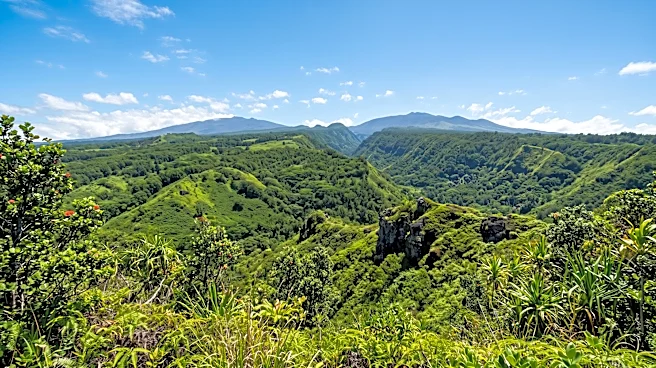
The U.S. Geological Survey (USGS) Hawaiian Volcano Observatory (HVO) has announced its schedule for Volcano Awareness Month in January 2027. The month-long event will feature a series of talks, guided hikes, and resource tables across various locations
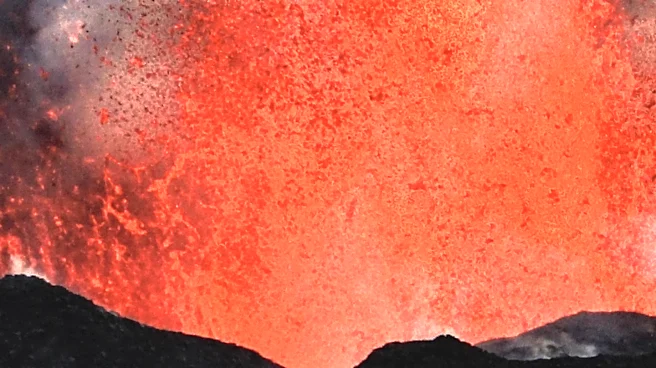
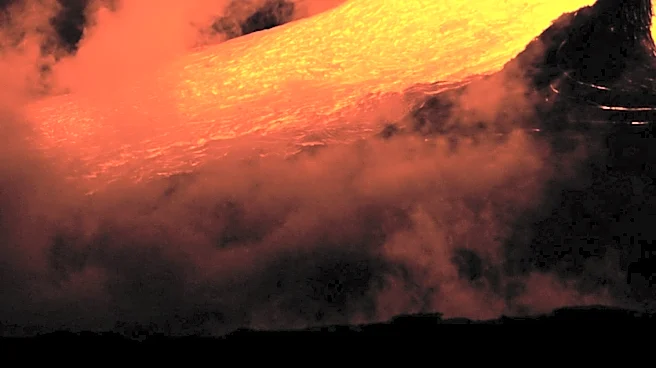
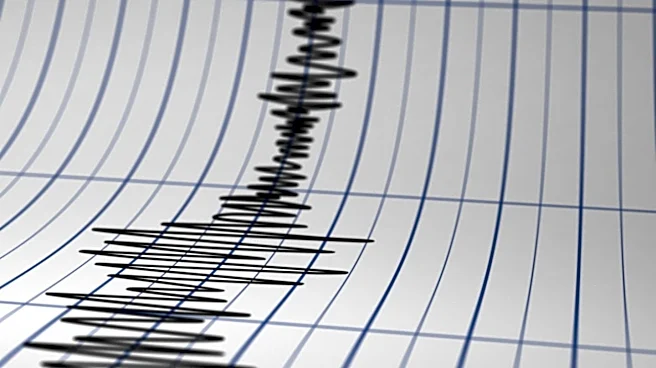
on Hawaiʻi Island, including Hawaiʻi Volcanoes National Park, public libraries, and the University of Hawaiʻi at Hilo. Topics will cover recent Kīlauea eruptions, earthquake hazards in Hawaiʻi, volcanic gas emissions, the Koaʻe fault system, and the historical and artistic impacts of volcanoes. Highlights include updates on Kīlauea's activity since December 2024, which has seen over 50 episodes of lava fountaining, and discussions on monitoring challenges due to tephra fall and weather. Experts from HVO and the University of Hawaiʻi will lead these events, aiming to enhance public understanding of volcanic and seismic activity in the region.
Why It's Important?
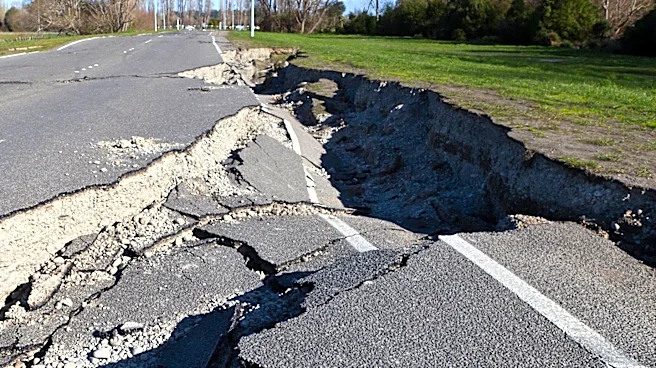
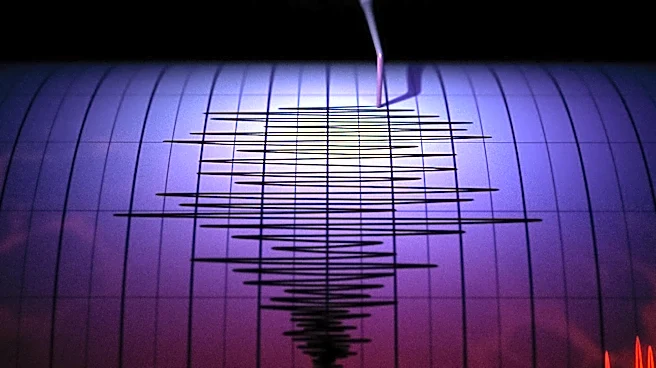
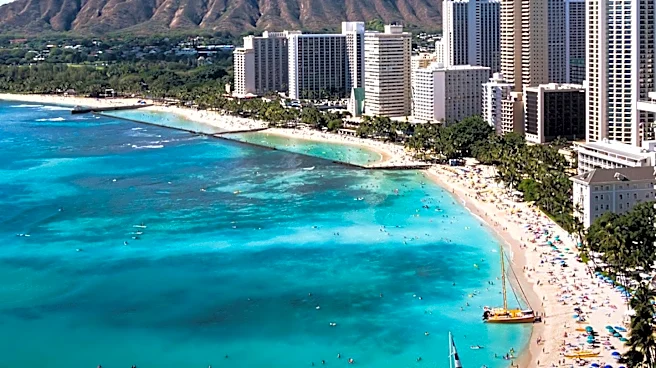
This initiative is crucial for public safety and preparedness in Hawaiʻi, one of the most seismically and volcanically active regions in the United States. By providing direct access to scientists and up-to-date information, the HVO helps residents and visitors understand the natural hazards they face. The programs educate the community on how volcanoes are monitored, the science behind eruptions and earthquakes, and practical steps for preparedness. This knowledge is vital for mitigating risks associated with volcanic gas (vog), tephra fall, and tsunamis, which have direct impacts on local infrastructure, tourism, and daily life. Furthermore, the involvement of university researchers fosters scientific literacy and encourages future generations to engage in geoscience, supporting long-term monitoring and research efforts critical for the region's resilience.
What's Next?
Following Volcano Awareness Month, the HVO will continue its ongoing monitoring of Kīlauea and other Hawaiian volcanoes. Scientists will analyze data from recent eruptive shifts, such as the transition from lava fountaining to passive eruptions and subsurface intrusions observed in late 2026. The insights gained from these observations will inform future hazard assessments and public advisories. The HVO also plans to continue recovery projects from the 2018 Kīlauea eruption, including renovations at the Kīlauea Visitor Center and construction of new field stations, supported by federal disaster relief funding. Community engagement will remain a priority, with ongoing efforts to share scientific findings and preparedness information through various channels, ensuring the public stays informed about volcanic and seismic activity.
Beyond the Headlines
The Volcano Awareness Month programs delve deeper than immediate hazard warnings, exploring the broader cultural and historical significance of volcanoes in Hawaiʻi. Discussions on how volcanoes influence art, history, and human settlement highlight the profound connection between the islands' geology and its people. The inclusion of topics like the Koaʻe fault system and the long-term record of Kīlauea's south flank motion underscores the dynamic and evolving nature of the volcanic landscape. Furthermore, the exploration of artificial intelligence in volcano monitoring signifies a forward-looking approach to geoscience, potentially revolutionizing how data is analyzed and forecasts are made. These deeper insights foster a more comprehensive understanding of living in a volcanic environment, promoting both scientific curiosity and a culture of resilience.