







What's Happening?
A recent study has highlighted the importance of protein intake over calcium supplements in enhancing the effectiveness of osteoporosis treatments in older women. Conducted as a secondary analysis of the GERICO cohort in Switzerland, the study involved
586 women with a median age of 67 years. It found that while calcium supplements did not significantly impact hip bone mineral density (BMD) or bone strength, a low dietary protein intake was linked to reduced benefits from antiresorptive therapy. The study suggests that assessing dietary calcium intake is crucial before prescribing supplements, as most participants already met the recommended calcium intake levels.
Why It's Important?
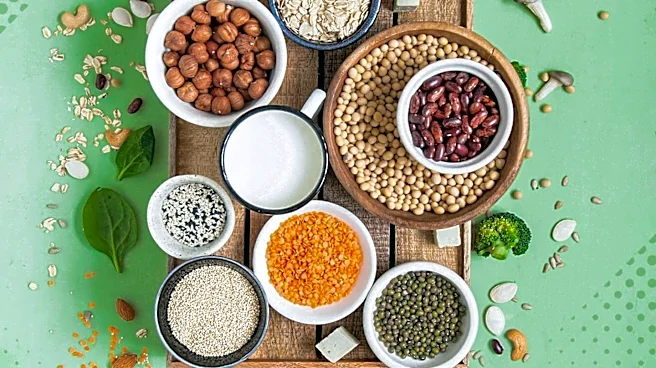
This study challenges the conventional emphasis on calcium supplementation for osteoporosis treatment, suggesting a shift towards prioritizing protein intake. The findings could influence clinical guidelines and patient management strategies, potentially leading to more personalized treatment plans that focus on dietary adjustments. For healthcare providers, this research underscores the need to evaluate patients' nutritional intake comprehensively, which could improve treatment outcomes and reduce unnecessary supplementation. The study also highlights the importance of protein in maintaining bone health, which could lead to broader dietary recommendations for aging populations.
What's Next?
The study's findings may prompt further research into the role of protein in bone health and its interaction with osteoporosis medications. Healthcare providers might begin to incorporate protein intake assessments into routine evaluations for osteoporosis patients. Additionally, the study could lead to revisions in clinical guidelines, emphasizing a balanced diet that includes adequate protein for those undergoing osteoporosis treatment. As the medical community digests these findings, there may be increased advocacy for dietary education and support for patients to optimize their nutritional intake.