
What's Happening?
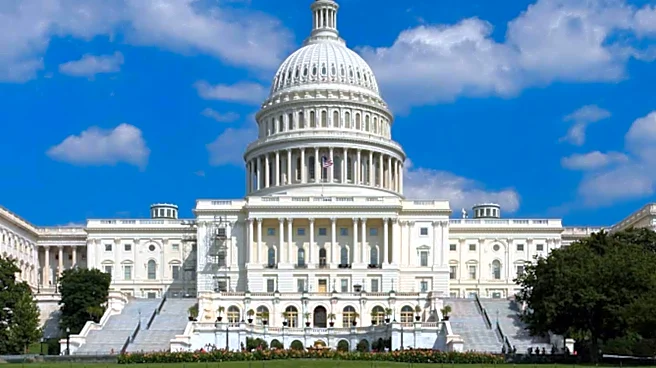
Representative Sydney Kamlager-Dove (D-Calif.) has been announced as a co-chair of the newly established Movies, Music, Entertainment & Sports (MoMEntS) Caucus in the House of Representatives. The caucus,
which she will co-chair alongside Representative María Elvira Salazar (R-Fla.) and Troy Carter (D-La.), aims to address the economic and cultural impact of various entertainment sectors. The scope of the MoMEntS Caucus is broad, extending beyond traditional TV and film to include broadcasting, music, live entertainment, fashion and beauty, gaming, esports, interactive media, streaming and digital platforms, content creators, the influencer economy, literary and publishing, and visual and performing arts. The caucus intends to focus on innovation, competition, and responsible platform practices, among other objectives. Other members of the caucus include Representatives Joe Wilson (R-S.C.), André Carson (D-Ind.), Gilbert R. Cisneros, Jr. (D-Calif.), Jared Moskowitz (D-Fla.), and Ted W. Lieu (D-Calif.).
Why It's Important?
The formation of the MoMEntS Caucus signifies a growing recognition within the U.S. Congress of the substantial economic and cultural contributions of the entertainment and sports industries. These sectors are major employers and revenue generators, influencing global perceptions of American culture and driving innovation in technology and media. By creating a dedicated caucus, lawmakers aim to provide a focused platform for addressing policy issues pertinent to these diverse industries, which could range from intellectual property rights and digital piracy to labor practices and technological advancements. This initiative could lead to legislation or policy recommendations that support the growth and competitiveness of American entertainment and sports, potentially impacting job creation, trade, and the nation's soft power on the international stage. The caucus's broad mandate suggests an intent to engage with emerging areas like esports and the influencer economy, acknowledging their increasing relevance and economic potential.
What's Next?
The MoMEntS Caucus is expected to begin its work by identifying key legislative priorities and engaging with stakeholders from across the diverse entertainment and sports industries. This will likely involve holding hearings, roundtables, and discussions with industry leaders, labor unions, content creators, and technology companies. The caucus's focus on innovation, competition, and responsible platform practices suggests that future actions could include drafting legislation related to digital rights management, antitrust issues in media, or guidelines for emerging digital platforms. Given the bipartisan nature of its leadership, the caucus may seek to build consensus on issues that transcend traditional political divides, aiming for broad support for its initiatives. The outcomes of these efforts could influence federal funding for arts and sports programs, regulatory frameworks for digital content, and policies affecting the global reach of American entertainment.
Beyond the Headlines
The establishment of the MoMEntS Caucus reflects a deeper societal shift towards a more experience- and content-driven economy. Beyond direct economic impacts, the caucus's work could influence cultural policy, shaping how American stories are told and consumed globally. The inclusion of 'content creators and the influencer economy' highlights the evolving nature of media production and consumption, signaling a legislative acknowledgment of new forms of labor and entrepreneurship. This could lead to discussions about worker protections, intellectual property in user-generated content, and the ethical implications of digital influence. Furthermore, by focusing on 'responsible platform practices,' the caucus may delve into issues of online safety, data privacy, and the spread of misinformation, underscoring the complex interplay between technology, culture, and public welfare in the digital age. The caucus's efforts could therefore have far-reaching implications for the future of creative industries and their role in American society.